16 Zen Bedroom Ideas to Create a Peaceful Retreat
Discover 16 zen bedroom ideas to create your perfect peaceful retreat. Simple tips for tranquil spaces that promote better sleep and relaxation.
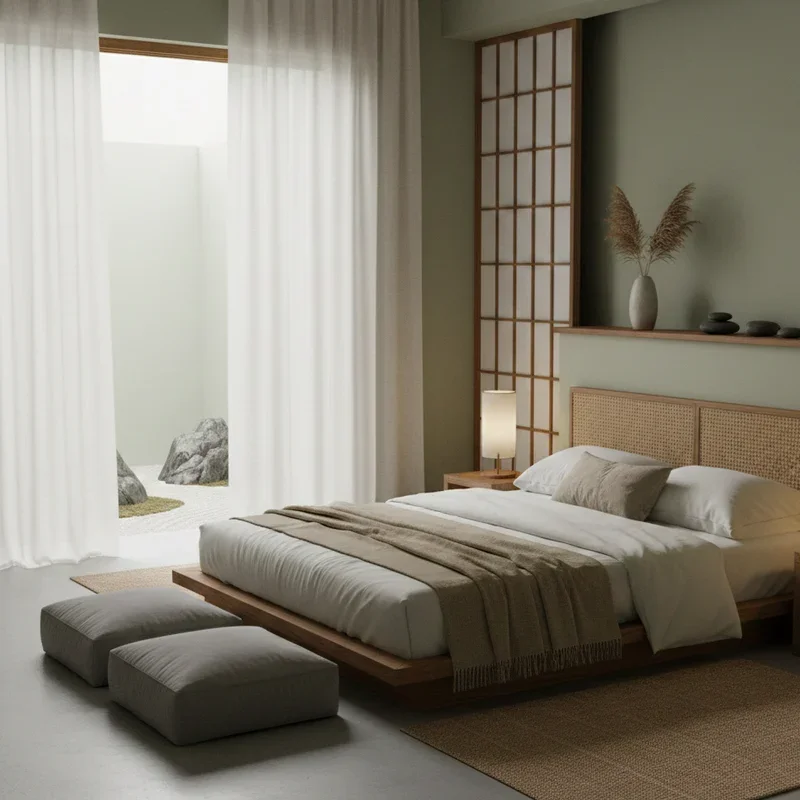
Ever walked into a room and instantly felt your shoulders drop, your breathing slow, and your mind settle into a state of calm? That's the magic of a zen bedroom, and it's not as elusive as you might think. Creating your own peaceful retreat doesn't require a complete renovation or a meditation guru's blessing. Instead, it's about making thoughtful choices that transform your bedroom from a simple sleeping space into a sanctuary where stress melts away like morning mist. Whether you're battling insomnia, seeking a personal escape from daily chaos, or simply craving a more harmonious living space, these zen bedroom ideas will guide you toward creating that perfect balance of simplicity, functionality, and serenity. Let's explore how small changes can lead to profound transformations in both your space and your state of mind.
1. Embrace Minimalist Furniture Arrangements
Think of your bedroom as a blank canvas where every piece of furniture serves a purpose, like instruments in an orchestra playing in perfect harmony. Start by removing unnecessary items and keeping only essential pieces: your bed, a nightstand, and perhaps a simple dresser. Position your bed away from the door but with a clear view of it, following ancient feng shui principles that promote security and restfulness. Leave plenty of open floor space to create a sense of breathing room, allowing energy to flow freely through your sanctuary. This minimalist approach isn't about deprivation; it's about intentional living where each item earns its place through function and beauty.
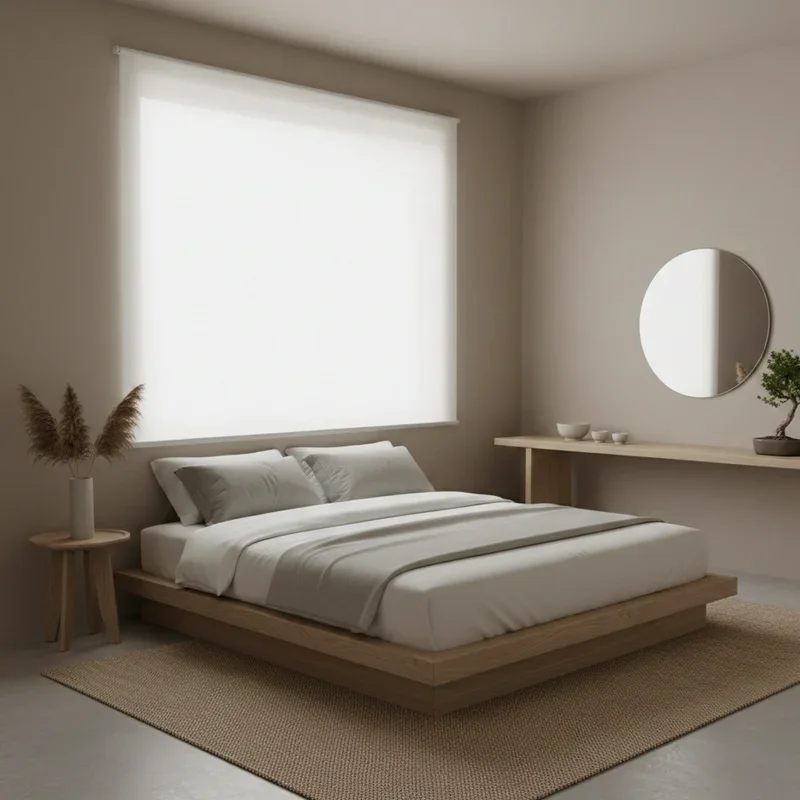
2. Choose a Calming Neutral Color Palette
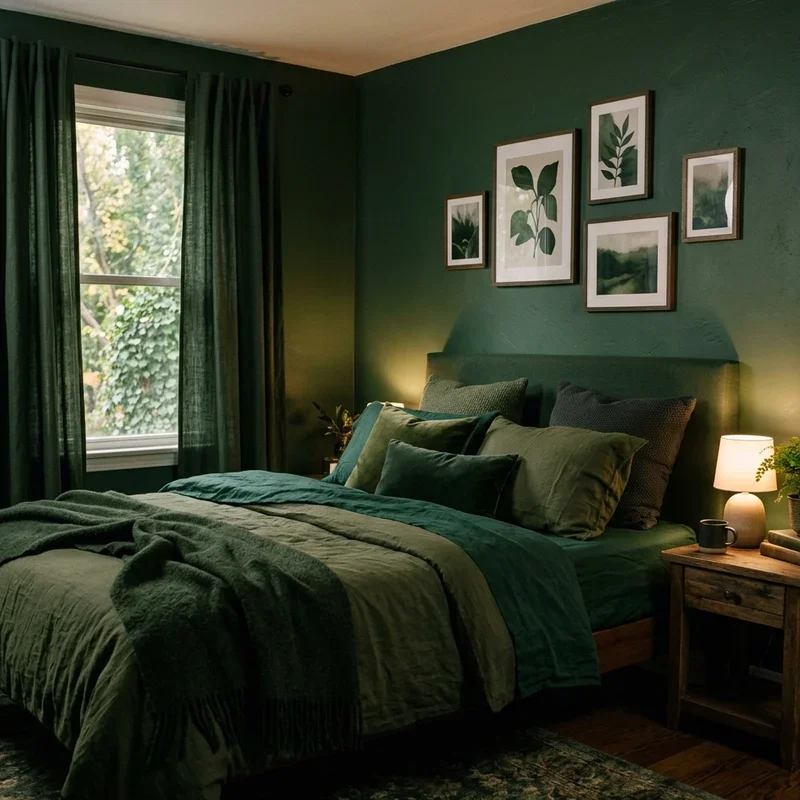
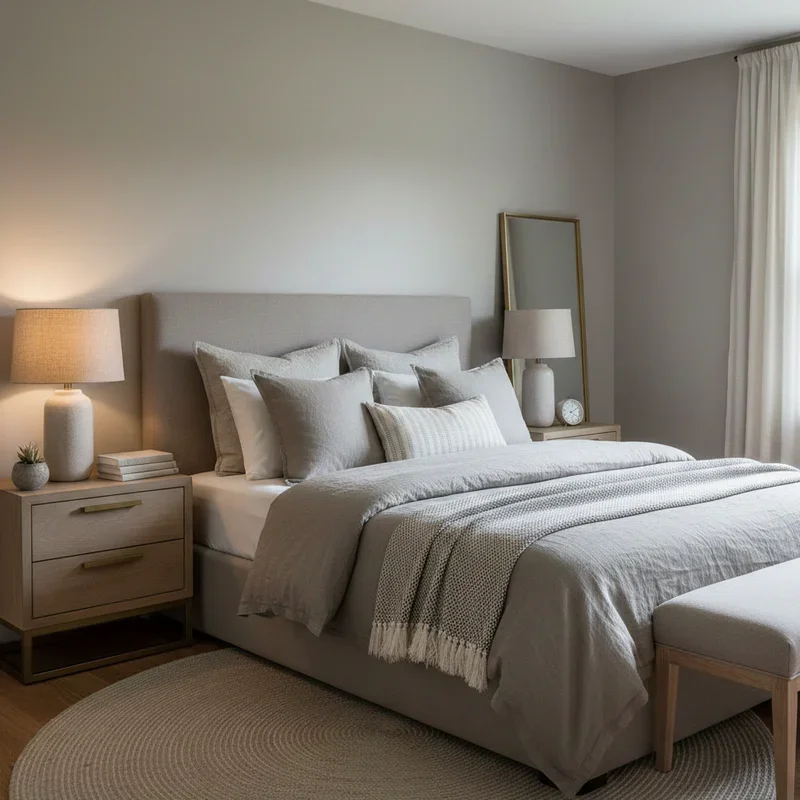
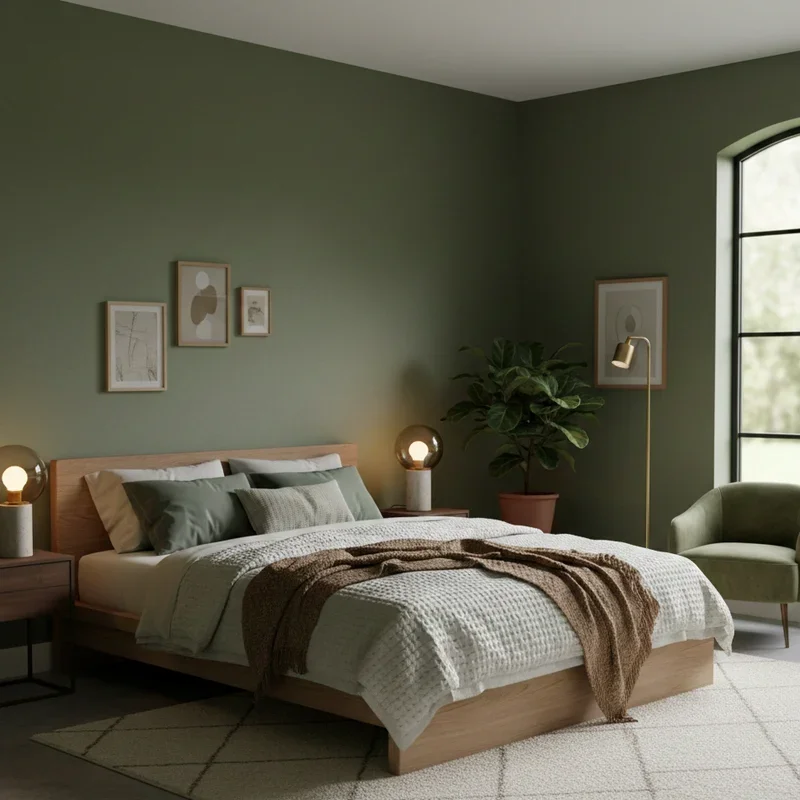
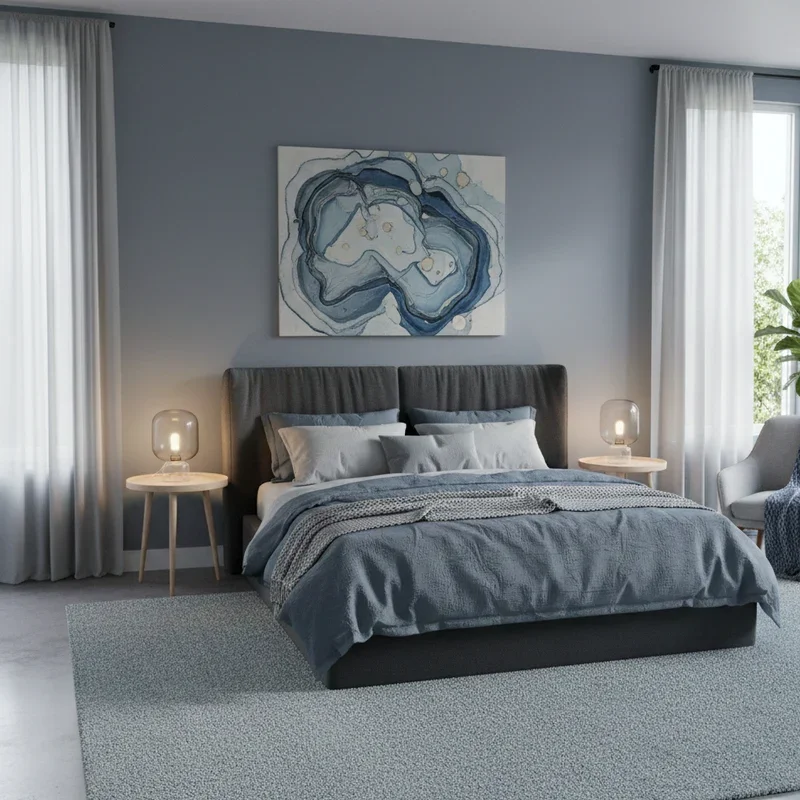
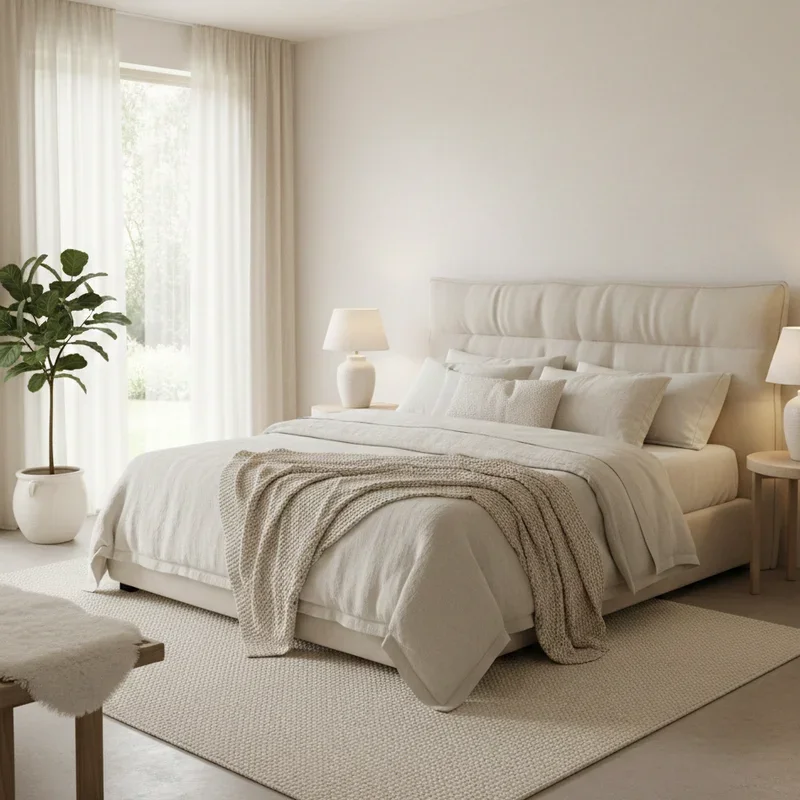
Colors speak to our emotions in whispers we don't always consciously hear, yet they profoundly impact our mood and sleep quality. Soft whites, warm beiges, gentle grays, and muted earth tones create a cocoon of tranquility that signals your brain it's time to unwind. These neutral shades work like a visual lullaby, soothing your senses without demanding attention. Consider painting your walls in warm white or soft sage, then layer in similar tones through your bedding and decor. Avoid bold, energizing colors like bright reds or electric blues that can stimulate rather than soothe. Remember, your zen bedroom should feel like stepping into a cloud, not a carnival.
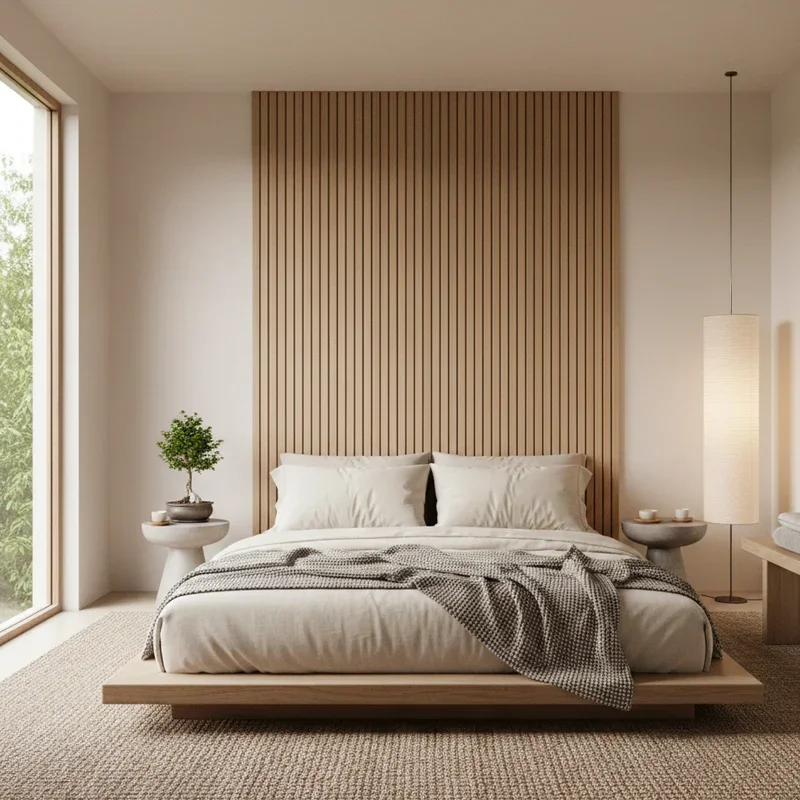
3. Incorporate Natural Wood Elements
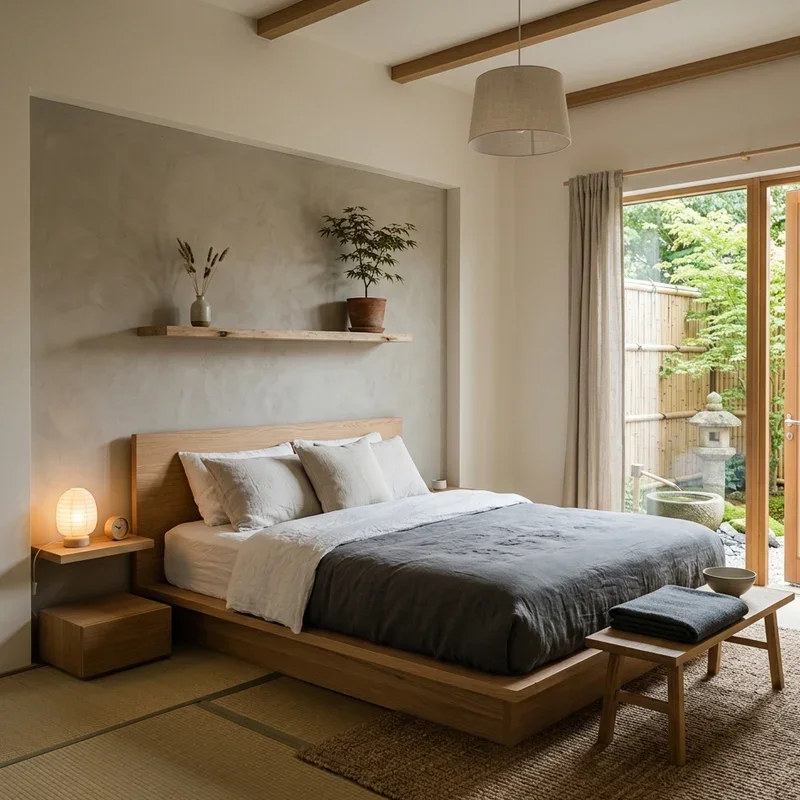
Natural wood brings the grounding energy of the forest into your personal space, creating a connection with nature that our modern lives often lack. Whether it's a reclaimed wood headboard, bamboo nightstands, or oak floating shelves, wood elements add warmth without overwhelming the senses. The grain patterns and subtle color variations in natural wood provide just enough visual interest to prevent monotony while maintaining serenity. Choose lighter woods like pine or birch for an airy feel, or opt for deeper walnut tones if you prefer a cozier atmosphere. The key is selecting pieces with simple, clean lines that showcase the wood's natural beauty rather than ornate carvings that complicate the visual landscape.
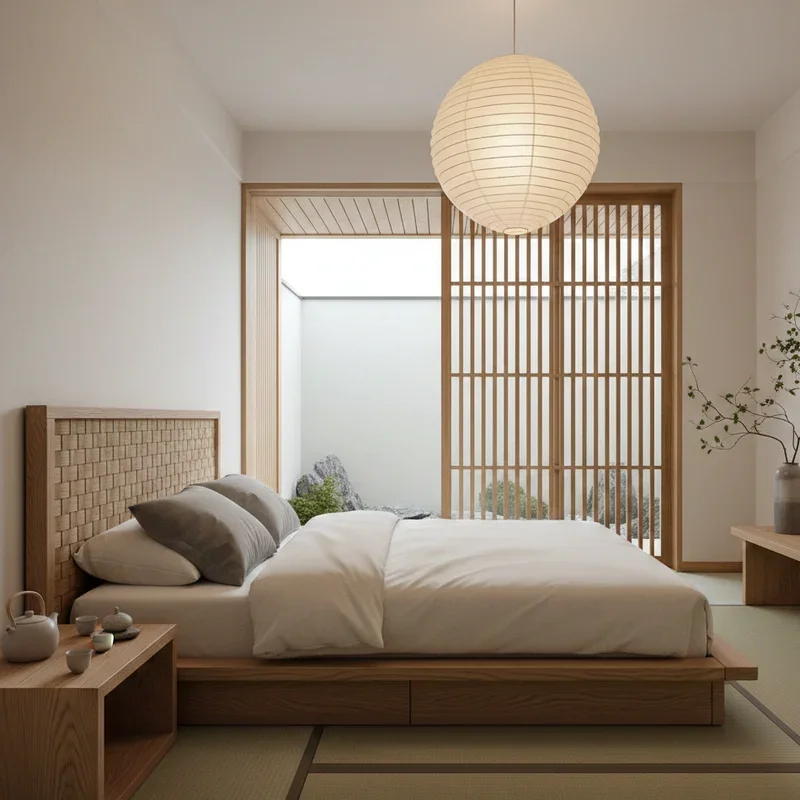
4. Add Soft, Layered Lighting Options
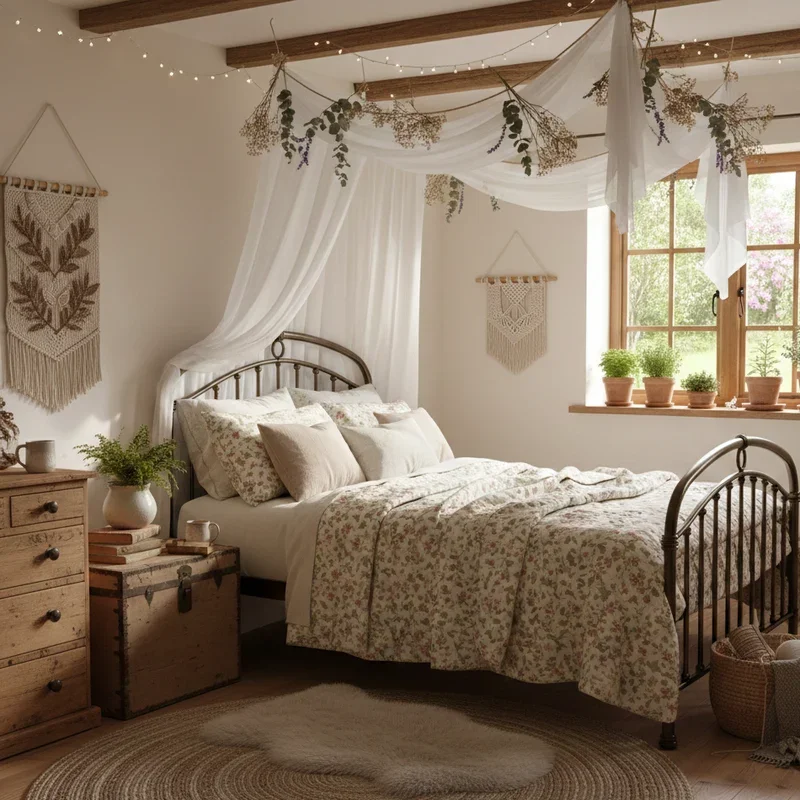
Harsh overhead lighting can shatter tranquility faster than a dropped mirror, so creating layers of gentle illumination becomes essential for your zen retreat. Install dimmer switches on existing fixtures, then add table lamps with warm bulbs, string lights for ambient glow, and perhaps candles for those especially mindful evenings. Think of lighting like seasoning in cooking: you want just enough to enhance the experience without overwhelming it. Place lights at different heights to create depth and interest while avoiding shadows that might disturb your peace. Consider salt lamps or paper lanterns that diffuse light softly, creating that golden hour glow that makes everything feel more peaceful and inviting.
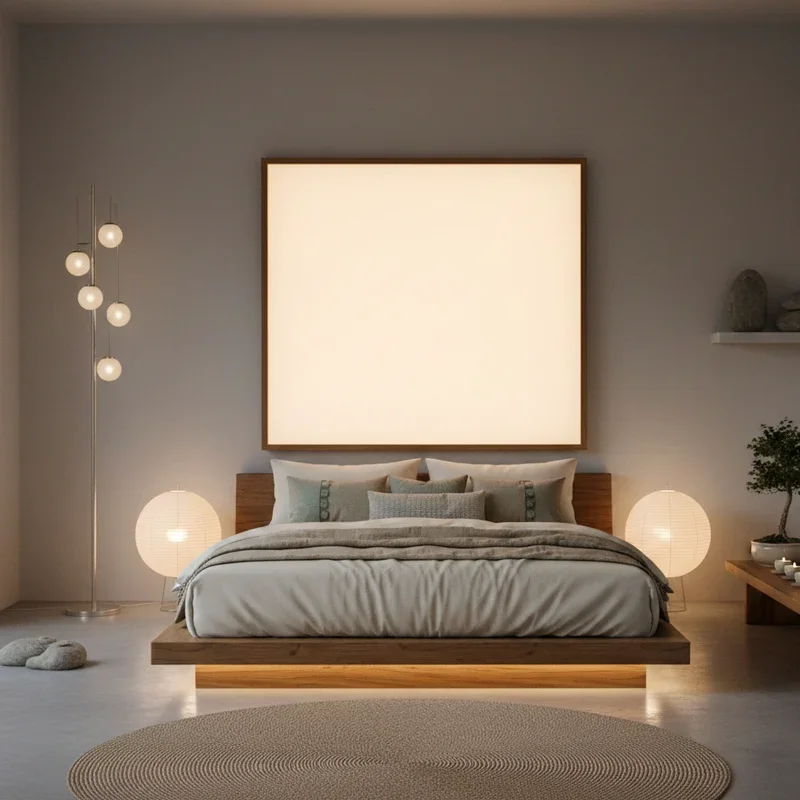
5. Create a Dedicated Meditation Corner
Even if you've never meditated a day in your life, having a designated quiet corner sends a powerful message to your subconscious about the room's purpose. Choose a spot near a window if possible, where natural light can energize your morning practice or moonlight can accompany evening reflection. Place a comfortable cushion or low meditation bench there, perhaps with a small side table for a candle or incense holder. This doesn't need to be elaborate; simplicity is the goal. Add a soft throw blanket for comfort and maybe a small plant to represent growth and renewal. This corner becomes your personal retreat within a retreat, a place where even five minutes of quiet breathing can reset your entire day.
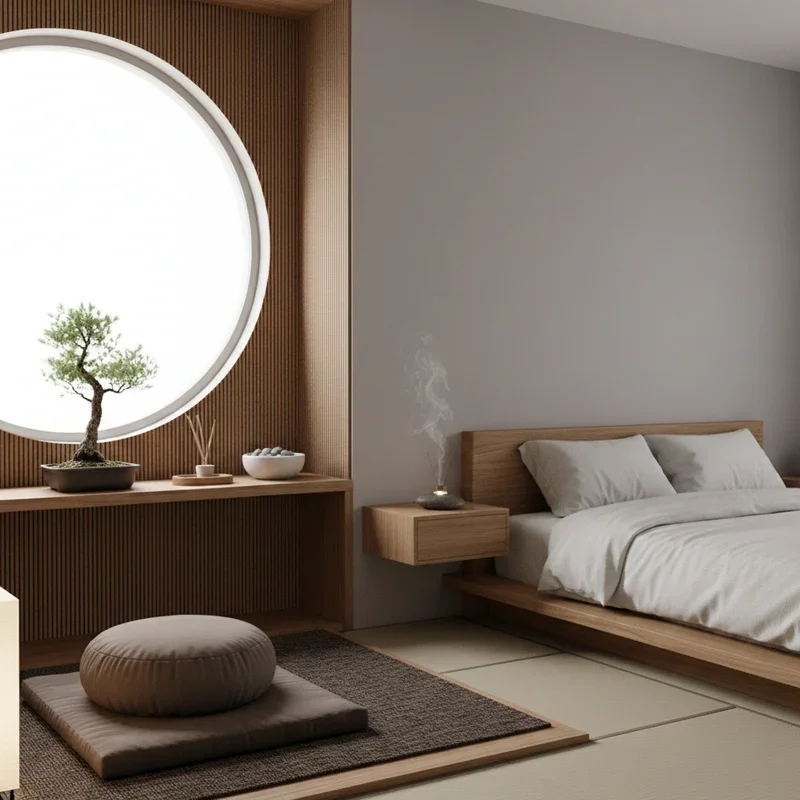
6. Install Blackout Curtains for Better Sleep
Quality sleep forms the foundation of a truly zen lifestyle, and nothing disrupts slumber quite like unwanted light creeping through your windows at dawn. Blackout curtains act as guardians of your rest, creating a cave-like darkness that signals your body to maintain deep sleep cycles. Choose curtains in natural fabrics and neutral colors that complement your peaceful palette while providing maximum light blockage. Layer them with sheer curtains for daytime privacy that still allows soft, filtered light to enter. This dual approach gives you complete control over your room's ambiance, whether you're napping on a Sunday afternoon or ensuring uninterrupted sleep despite streetlights outside your window.
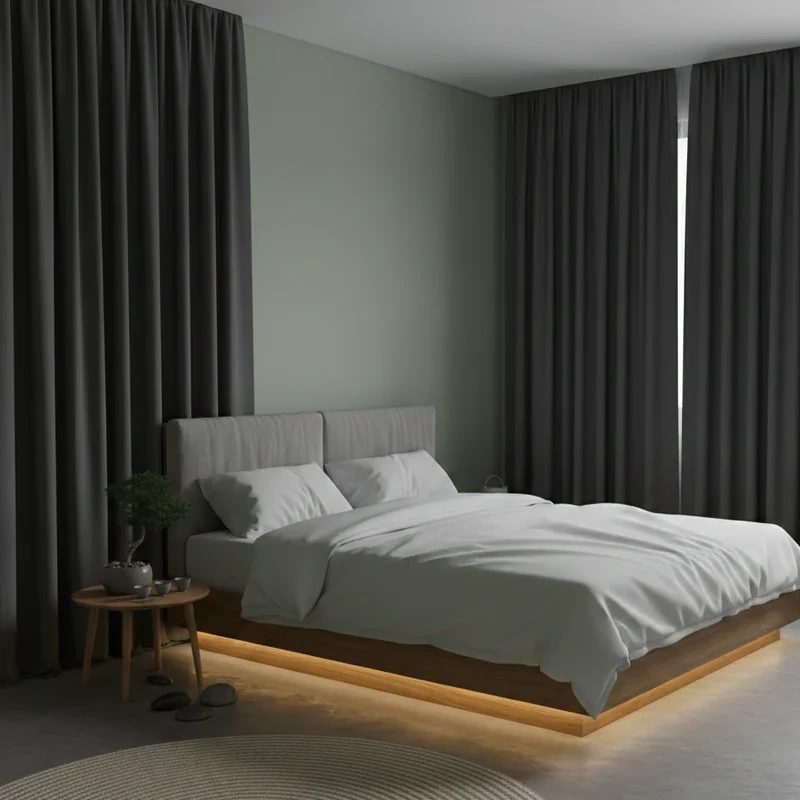
7. Bring in Living Plants for Fresh Energy
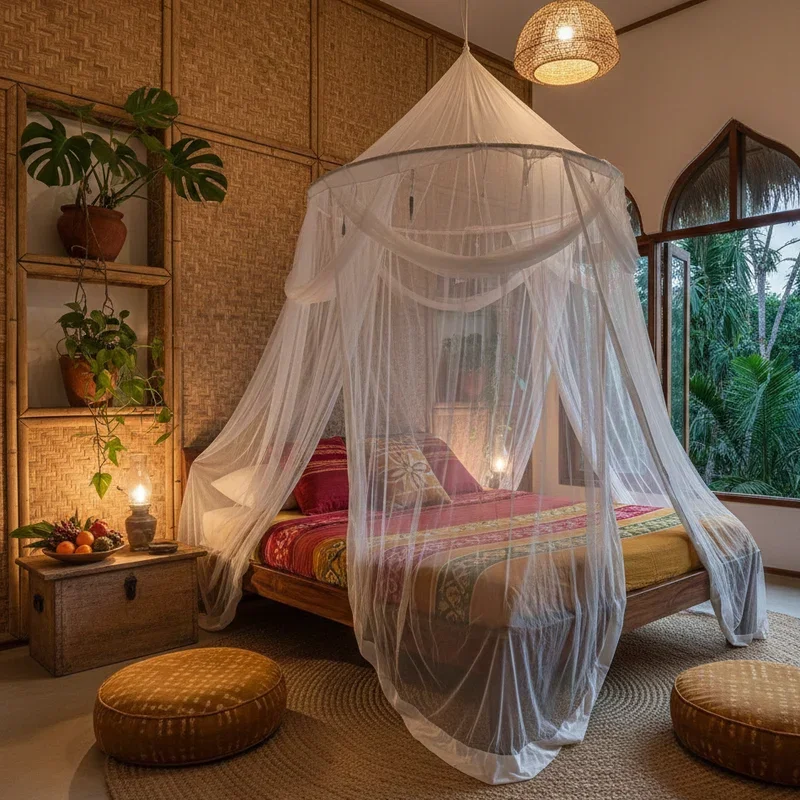
Plants breathe life into your zen bedroom quite literally, purifying air while adding touches of natural beauty that no artificial decor can match. Snake plants, peace lilies, and pothos thrive in bedroom conditions while requiring minimal care, perfect for maintaining that low-maintenance zen lifestyle. Position them strategically: a tall plant in an empty corner, small succulents on your nightstand, or a hanging planter near the window. These green companions not only improve air quality but also create a subtle connection with nature's rhythms. Watching them grow and caring for them becomes a mindful practice itself, reminding you that growth happens slowly and steadily, just like your journey toward inner peace.
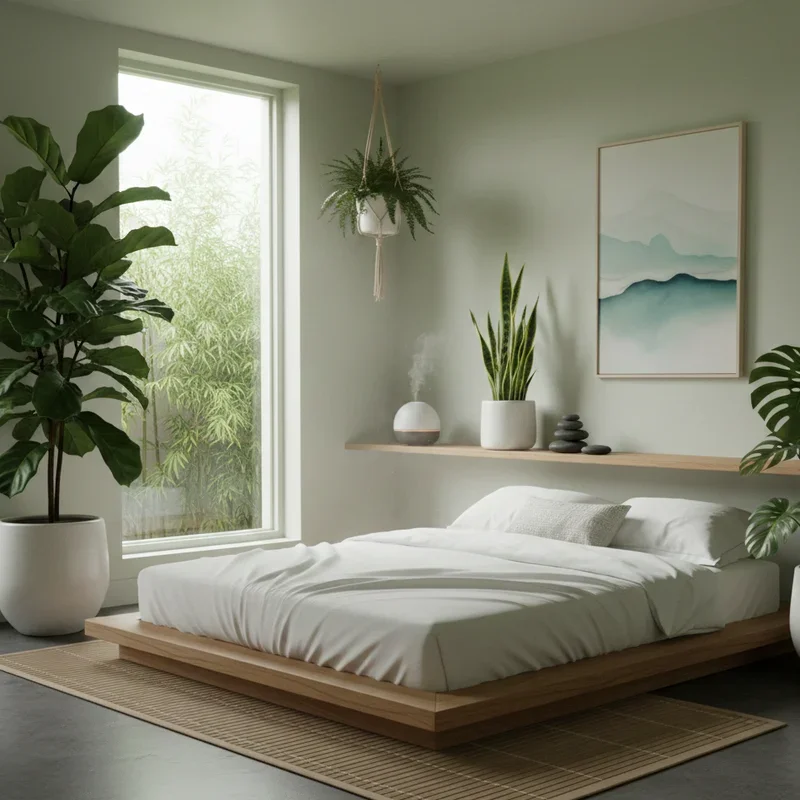
8. Use Essential Oil Diffusers for Aromatherapy
Scent memories are powerful triggers for emotional states, and incorporating aromatherapy into your zen bedroom creates an invisible layer of tranquility. A simple ultrasonic diffuser releases therapeutic essential oils into the air, transforming your room into a spa-like sanctuary. Lavender promotes deep sleep, eucalyptus clears the mind, while sandalwood grounds scattered thoughts. Experiment with different oils to discover what resonates with your personal peace. Set your diffuser on a timer to release calming scents as you prepare for bed, creating a pavlovian response that signals sleep time. This invisible enhancement works subtly but effectively, wrapping you in comfort without adding visual clutter to your minimalist space.
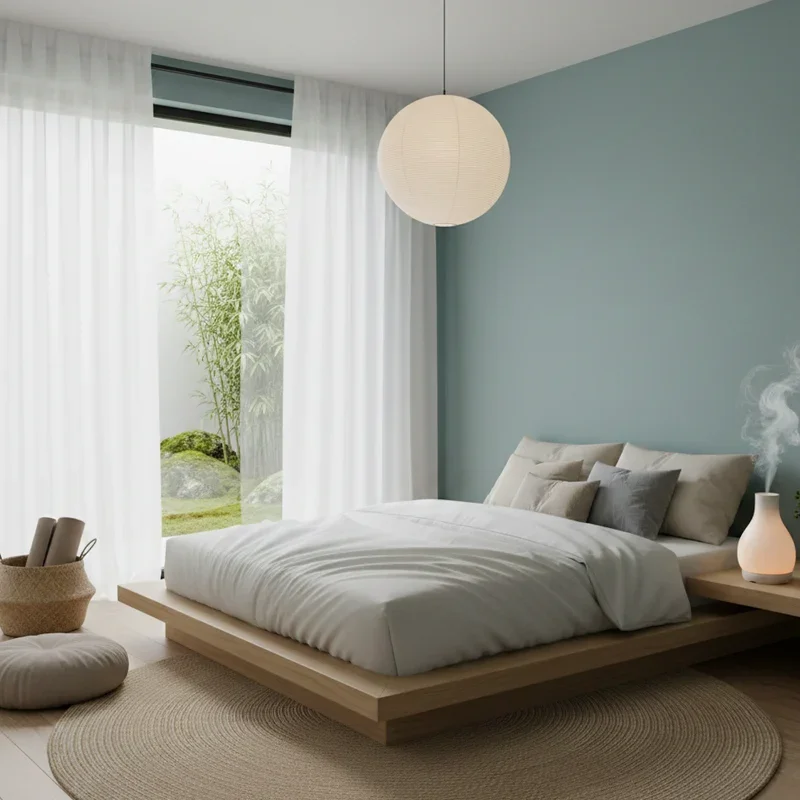
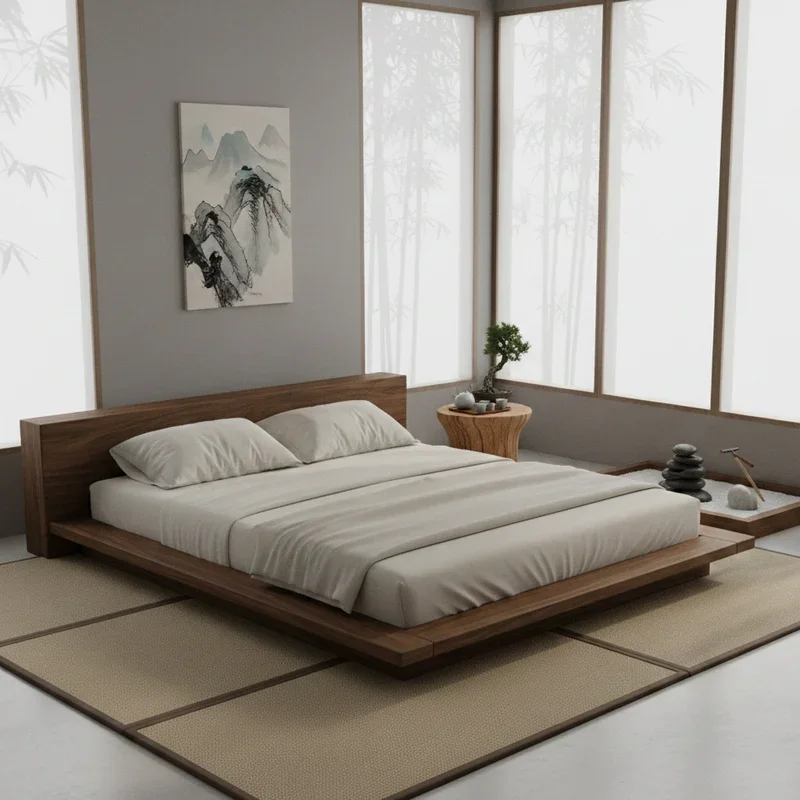
9. Select Low-Profile Platform Beds
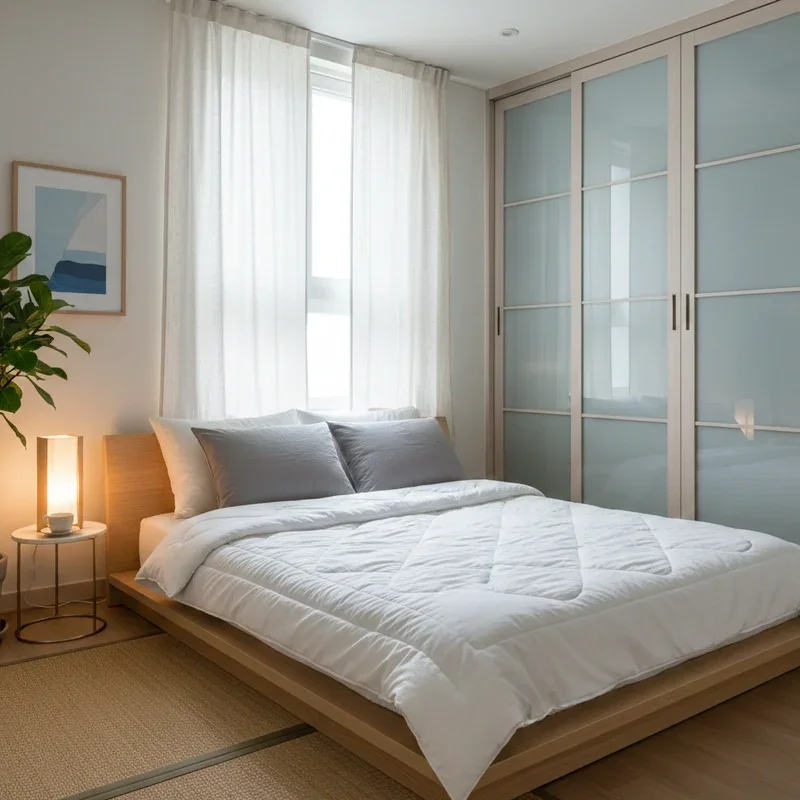
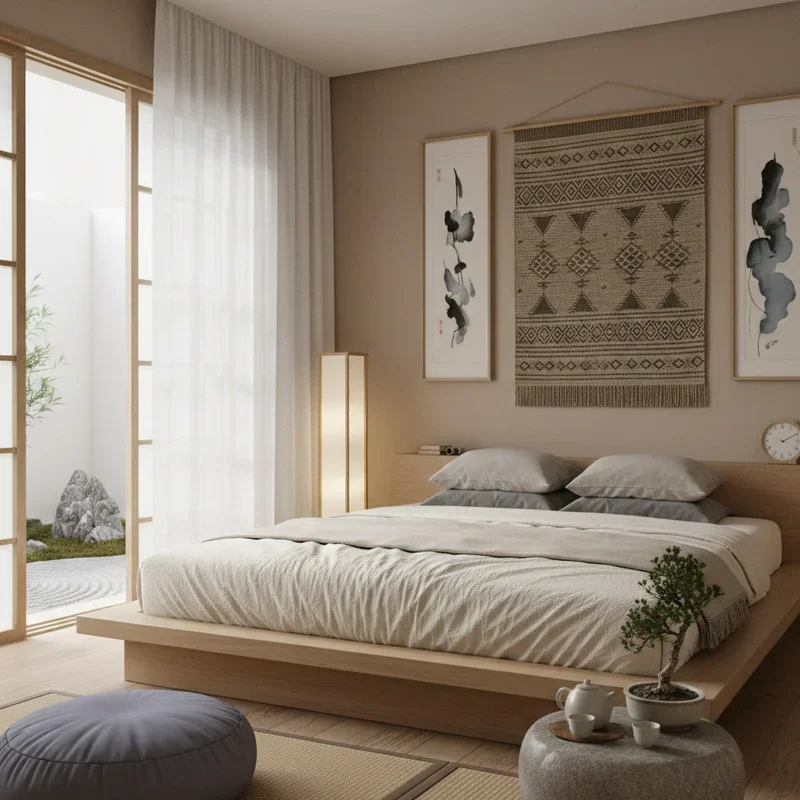
A low platform bed anchors your zen bedroom with its grounded presence, creating a sense of stability and connection to the earth. These Japanese-inspired designs eliminate the need for box springs while maintaining clean, horizontal lines that promote visual calm. The lower height makes your ceiling appear higher, expanding the sense of space even in smaller rooms. Choose natural materials like solid wood or bamboo for authenticity, and keep bedding simple with crisp white sheets and a neutral duvet. This minimalist approach to your room's focal point sets the tone for everything else, proving that sometimes less height means more impact in creating that coveted peaceful atmosphere.
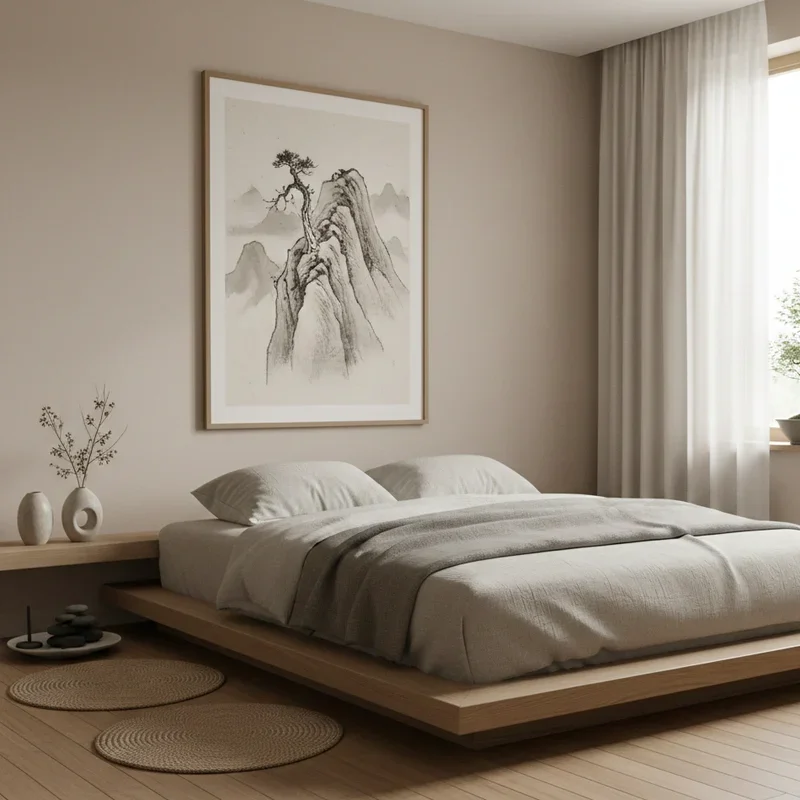
10. Display Simple, Meaningful Artwork
Art in a zen bedroom should whisper rather than shout, offering gentle visual interest without disrupting the room's tranquil energy. Choose one or two pieces that truly resonate with your soul: perhaps a black and white photograph of a misty forest, an abstract painting in soothing colors, or calligraphy expressing a meaningful quote. Position artwork at eye level when you're lying in bed, creating a focal point for meditation or contemplation. Avoid busy patterns or multiple small pieces that fragment attention. Think of artwork as visual poetry for your walls, each piece carefully selected to inspire peace rather than provoke thought or stimulate conversation.
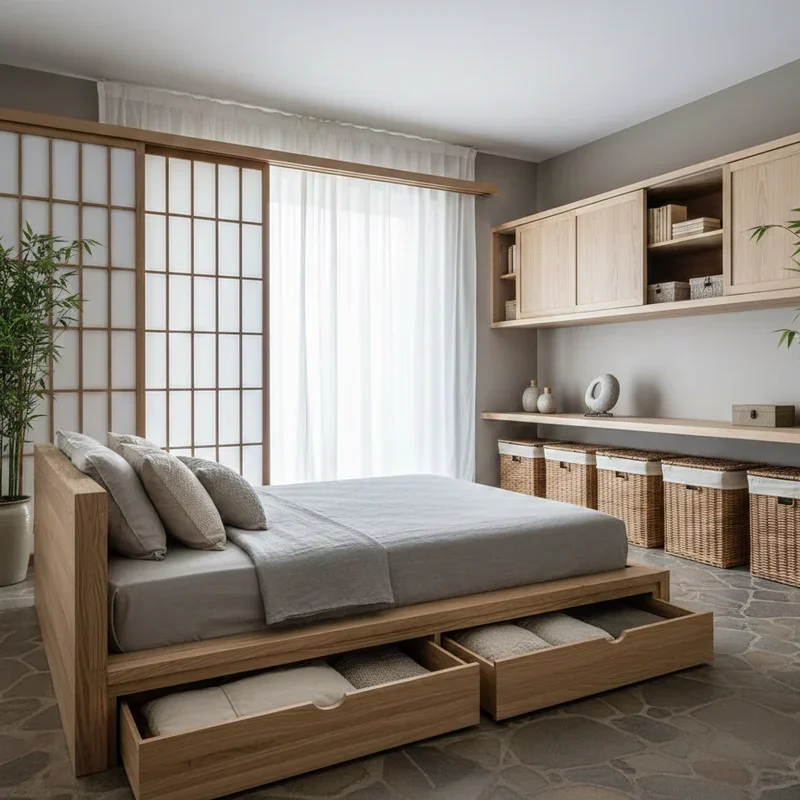
11. Organize with Hidden Storage Solutions
Clutter is the enemy of zen, yet we all need places to store life's necessities without creating visual chaos. Built-in wardrobes, under-bed storage boxes, and floating shelves with doors keep belongings accessible but invisible. Think like a magician hiding props: everything has its place behind the scenes, ready when needed but never stealing the show. Use matching storage containers to create uniformity even inside closets, because organization that extends beyond visible spaces creates deeper psychological calm. Label everything clearly to prevent frantic searching that disrupts your peace. This hidden organization system allows your room to maintain its serene appearance while still functioning practically for daily life.
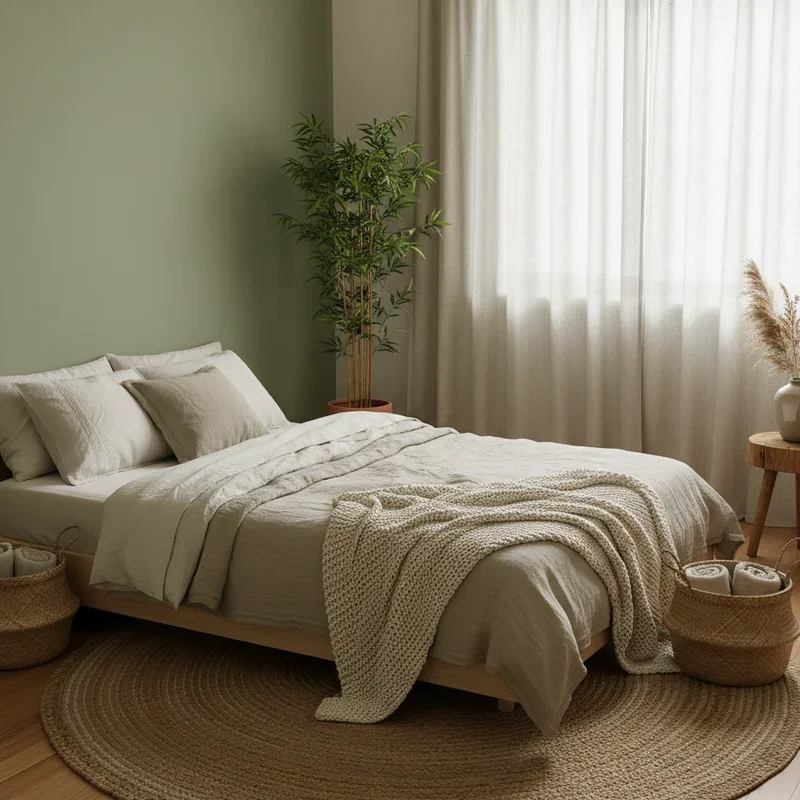
12. Add Natural Fiber Textiles
The textures surrounding you in your zen bedroom should feel like nature's embrace, soft and comforting without synthetic interference. Organic cotton sheets, linen duvet covers, wool throws, and jute rugs create layers of natural comfort that synthetic materials simply cannot replicate. These breathable fabrics regulate temperature naturally, keeping you comfortable through changing seasons. Their subtle imperfections and gentle wrinkles add character without chaos, reminding you that perfection isn't the goal; peace is. Choose neutral tones that complement your color scheme while adding textural variety. Feel the difference when your feet touch a soft wool rug instead of cold floors each morning, starting your day with comfort and intention.
13. Create a Technology-Free Zone
Your smartphone might be your lifeline during the day, but at night it becomes a portal to stress, disrupting both sleep and serenity. Establish your bedroom as a sacred space where notifications cannot reach, where the blue light of screens doesn't interfere with melatonin production. Replace your phone alarm with a simple analog clock, and charge devices outside the bedroom entirely. If you must have technology, hide it away in drawers when not in use. This digital detox creates mental space for reflection, intimacy, and genuine rest. Watch how quickly your sleep improves when your last sight isn't a glowing screen but perhaps the soft flicker of a candle or the moonlight through your window.
14. Install a Small Water Feature
The gentle sound of flowing water has calmed human souls since time began, and a small tabletop fountain brings this ancient comfort into your modern zen retreat. Choose a simple design in natural materials like stone or ceramic that complements your decor without dominating it. Position it where you can hear the subtle bubbling from bed, creating white noise that masks outside disturbances while promoting relaxation. The movement of water also adds a dynamic element to an otherwise still space, representing life's continuous flow. Maintain it regularly to prevent algae growth, treating this care as another mindful practice in your zen journey. This small addition creates surprisingly powerful shifts in room energy.
15. Use Japanese Shoji Screens as Dividers
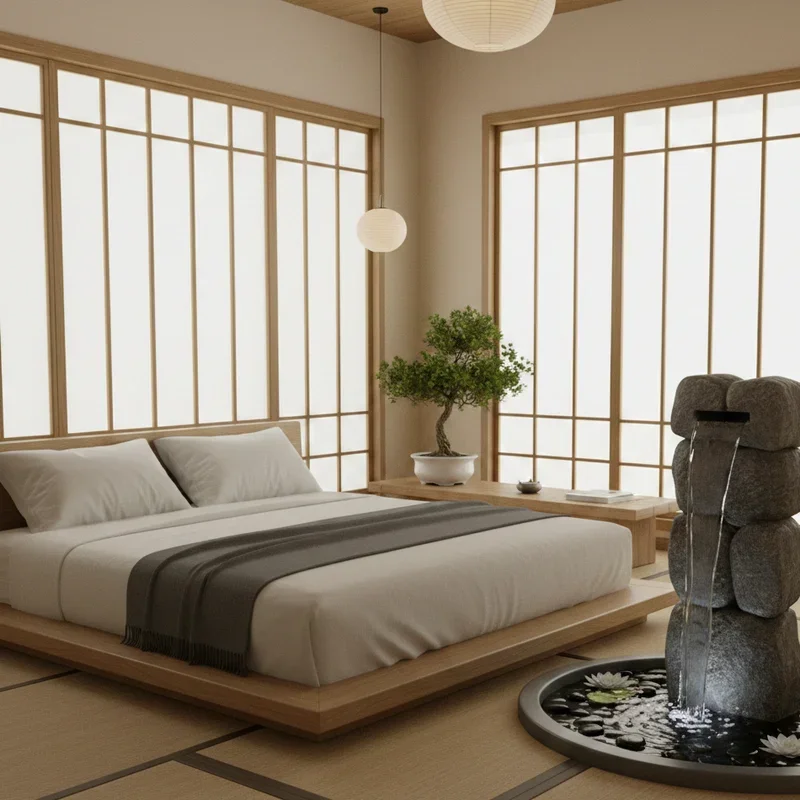
Sometimes creating zen means defining spaces within spaces, and traditional shoji screens offer elegant solutions for separation without isolation. These lightweight panels filter light beautifully while maintaining airflow, perfect for creating a dressing area or hiding workout equipment. Their geometric patterns add visual interest without overwhelming, like finding rhythm in simplicity. Use them to section off your meditation corner or create privacy without building walls. The translucent paper or fabric panels soften harsh light into a gentle glow, transforming your room's ambiance throughout the day. These versatile dividers can be moved or folded away as needs change, embodying the zen principle of flexibility within structure.
16. Keep Surfaces Clear and Clutter-Free
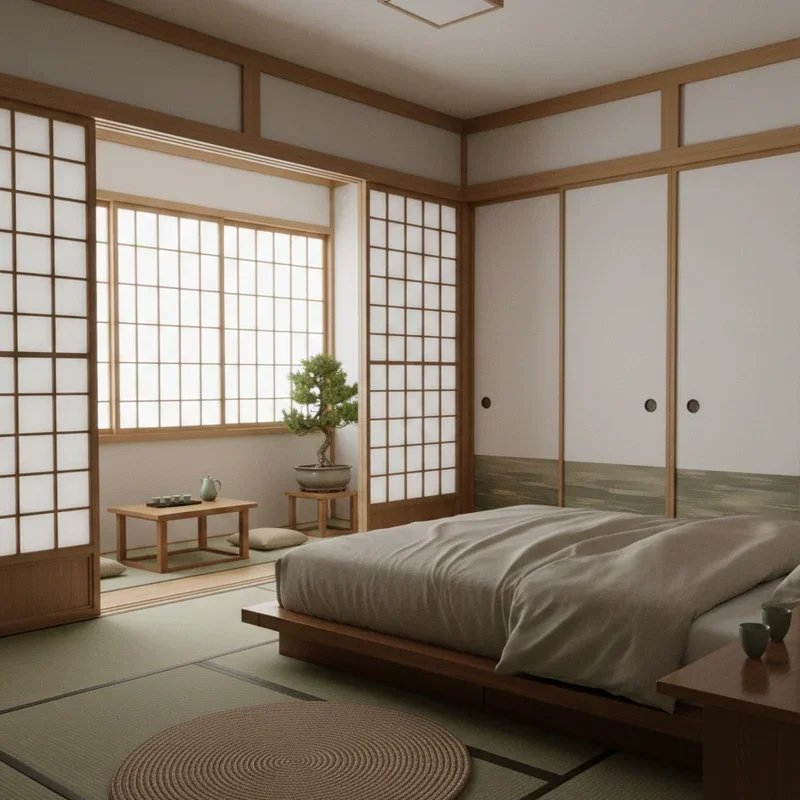
The final and perhaps most important element of your zen bedroom is maintaining clear surfaces that allow your eye and mind to rest. Your nightstand should hold only essentials: perhaps a lamp, a book, and a glass of water. Dresser tops remain free of random objects, showcasing only one or two meaningful items if any. This isn't about sterility but about creating visual breathing room where your thoughts can settle like dust in still air. Develop a nightly ritual of returning items to their homes, treating this as meditation in motion. Clear surfaces create clear minds, and in this clarity, you'll find the peace you've been seeking all along.
Conclusion
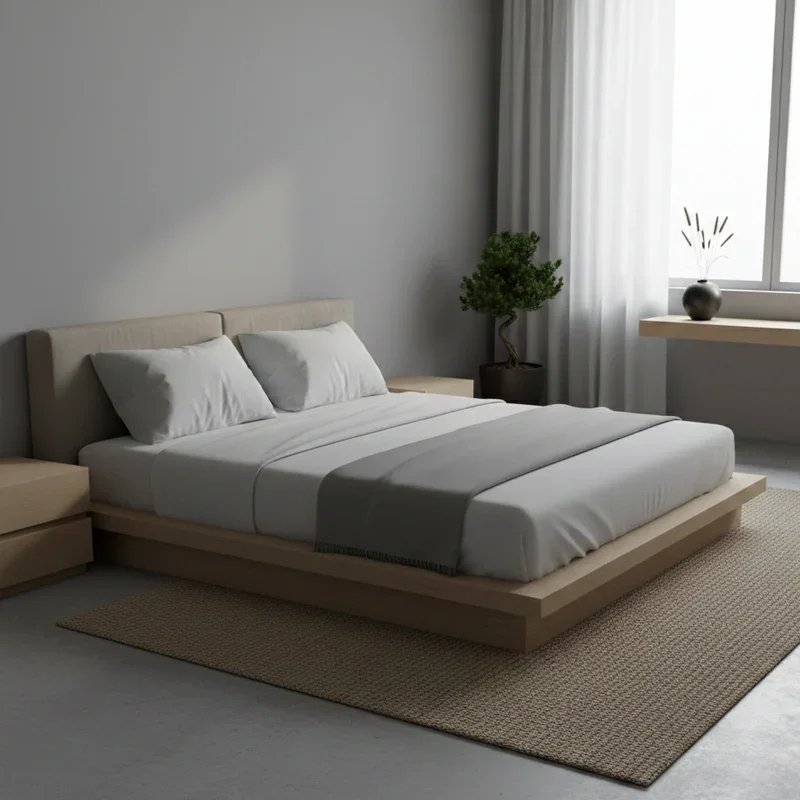
Creating a zen bedroom isn't about perfection or following rigid rules; it's about crafting a space that speaks to your personal need for peace and restoration. These sixteen ideas offer starting points for your transformation, but ultimately, your intuition guides what stays and what goes. Begin with one or two changes, feeling how each shift affects your sleep and mood. Remember, zen is a journey, not a destination, and your bedroom can evolve with you.
Read next: 20 Dining Room Curtain Ideas for a Stylish Space
Frequently Asked Questions
Q1: How much does creating a zen bedroom typically cost?
A: Start small with decluttering and rearranging, which costs nothing at all.
Q2: Can I create a zen bedroom in a small space?
A: Small spaces actually work perfectly for minimalist zen design principles naturally.
Q3: What's the most important element for a zen bedroom?
A: Decluttering and maintaining clear surfaces creates the biggest immediate impact.
Q4: How do I maintain a zen bedroom with kids or pets?
A: Create designated storage zones and establish simple daily tidying rituals together.
Q5: Should I follow feng shui rules for a zen bedroom?
A: Use feng shui principles as helpful guidelines, not strict requirements necessarily.
Stay up to date with our latest ideas!