Creating a Clutter-Free and Stylish Home
Discover practical tips for creating a clutter free and stylish home with smart organization, thoughtful decor choices, and functional design ideas.
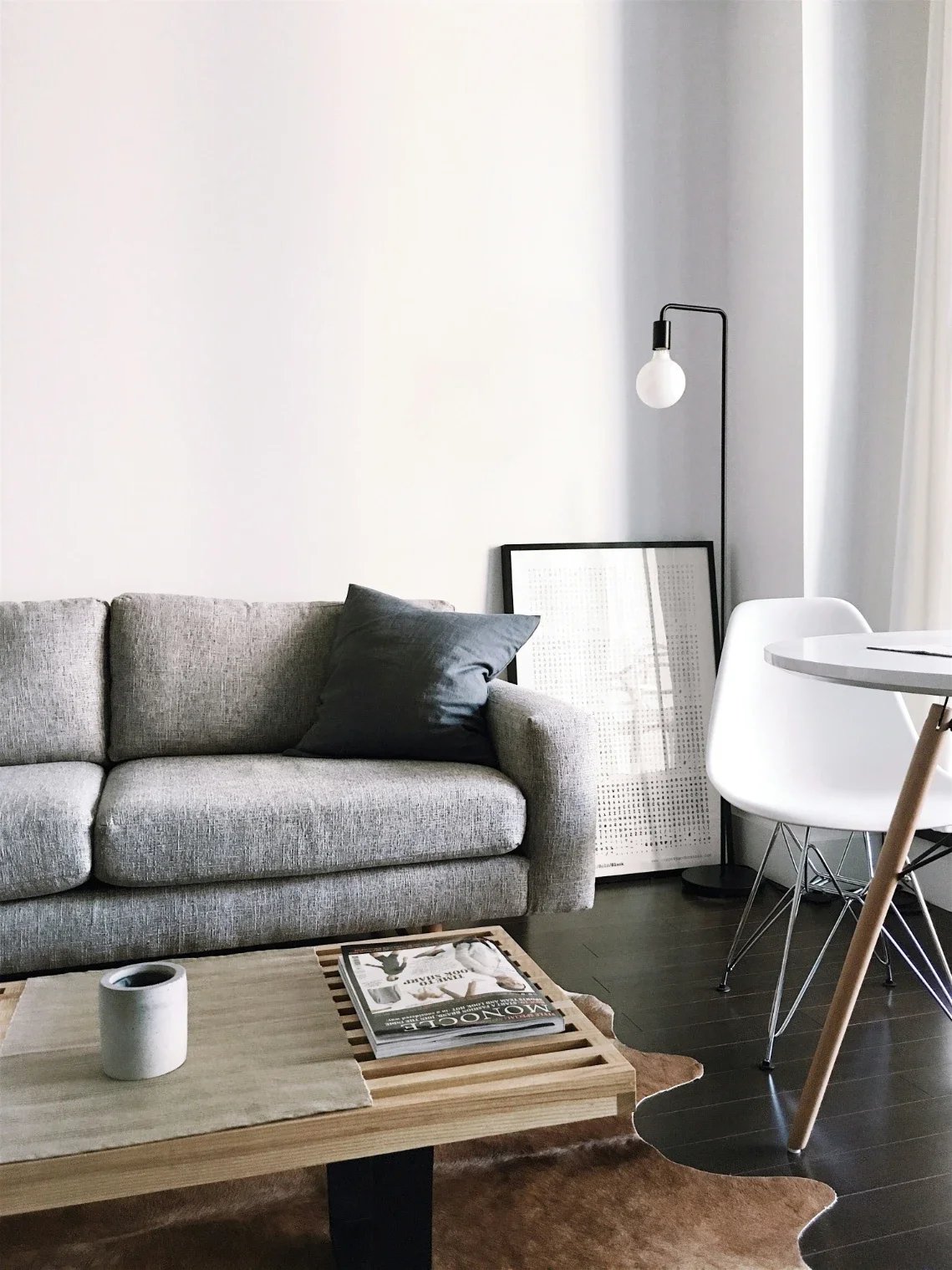
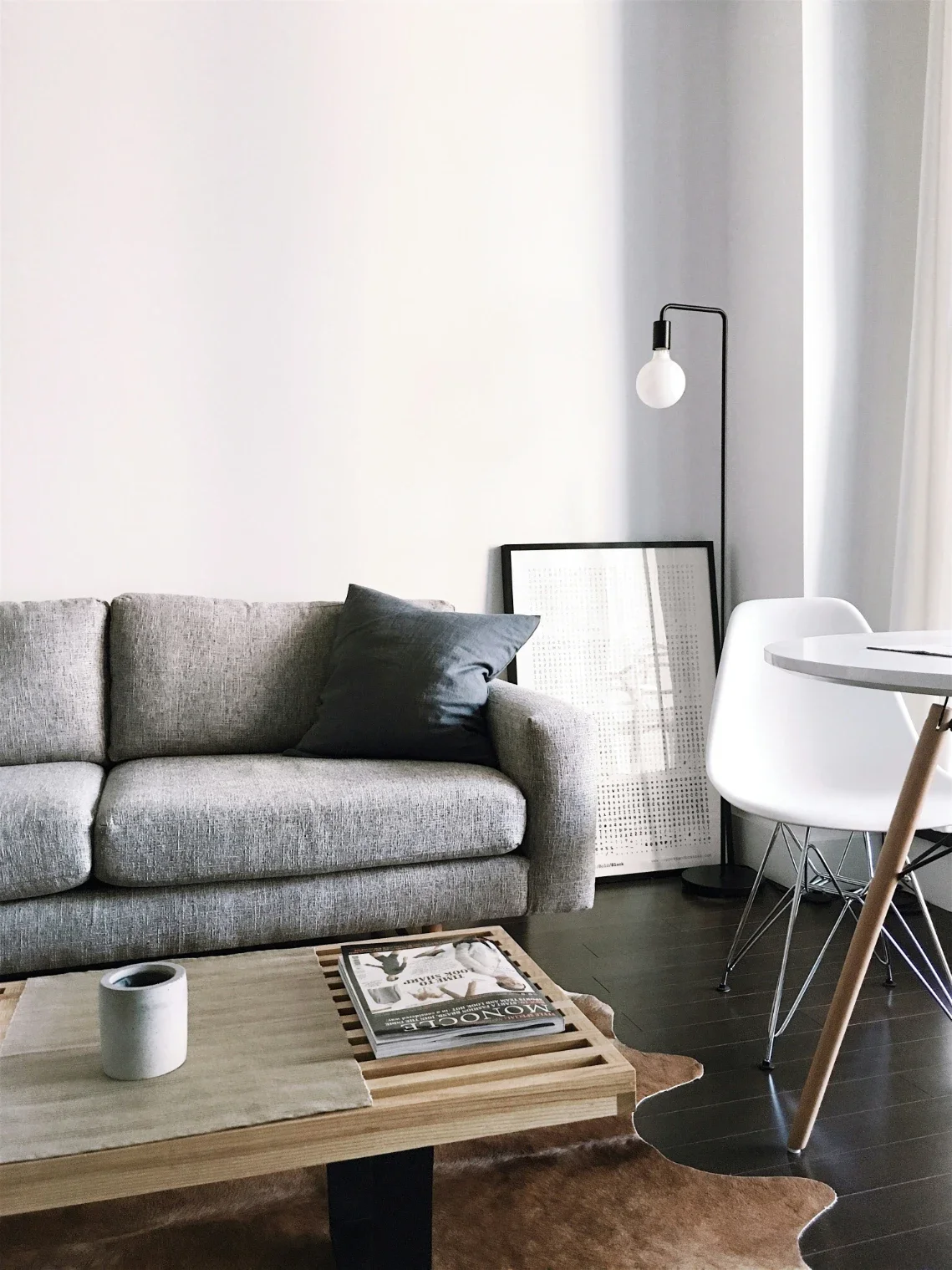
A stylish home is not defined by expensive furniture or trendy accessories. It is defined by clarity, balance, and functionality. Clutter disrupts all three. Even well-designed interiors can feel chaotic when surfaces are overloaded and storage is poorly planned.
The secret to maintaining a beautiful home is creating systems that support both organization and design. Every item should have a purpose and a designated place.
Understand the Impact of Visual Clutter
Visual clutter affects how a space is perceived. When too many objects compete for attention, rooms appear smaller and less inviting.
Research from the Princeton University Neuroscience Institute found that physical clutter competes for attention and reduces the brain's ability to focus.
This principle applies directly to interior design. Clean sightlines allow architectural features, furniture, and decorative elements to stand out.
Start by evaluating every room from a visual perspective. Identify crowded shelves, overloaded countertops, and decorative items that no longer contribute to the overall design.
Build a Cleaning System, Not Just a Cleaning Routine
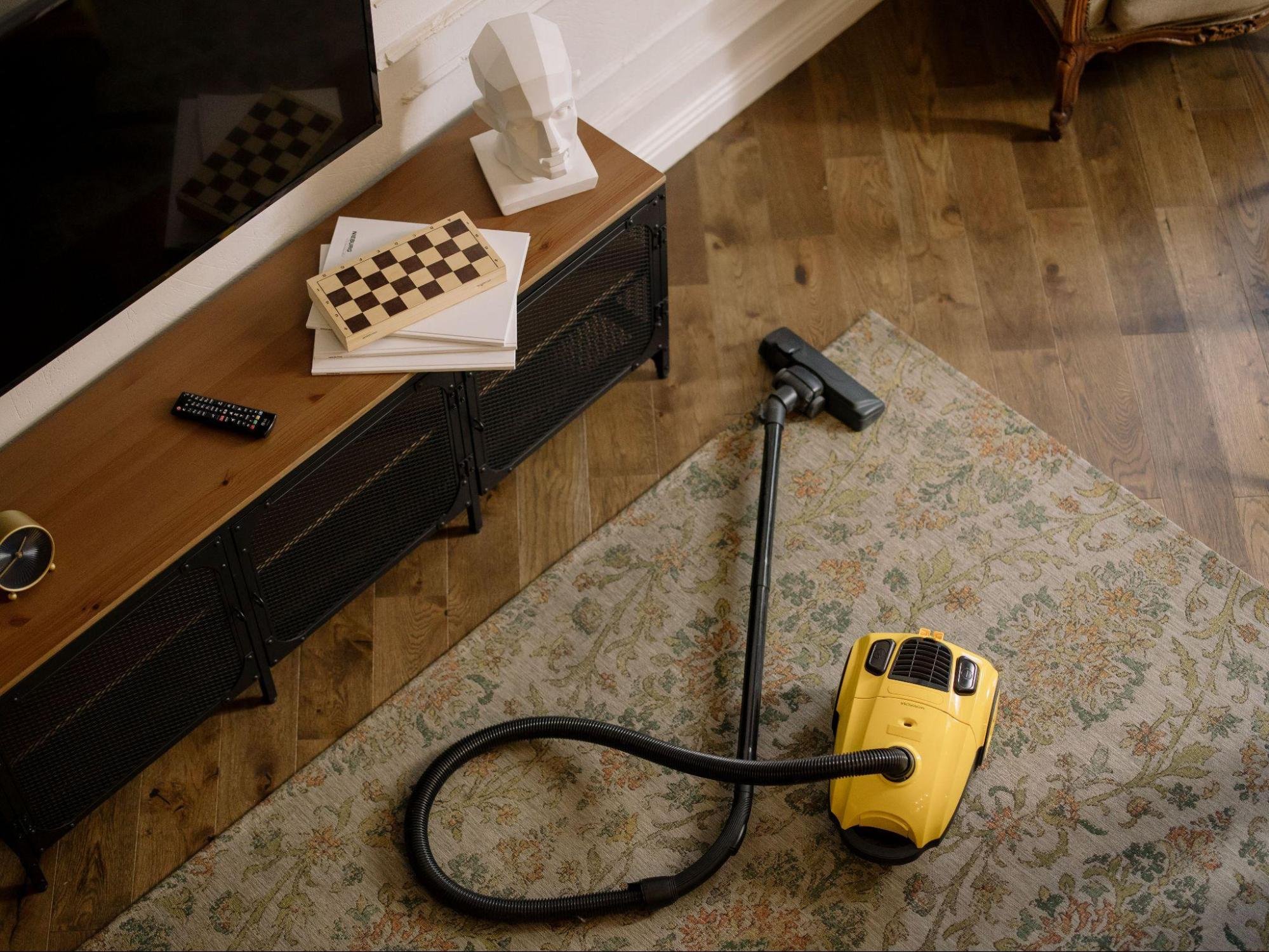
Many homeowners focus on occasional deep cleaning while neglecting daily maintenance systems. The result is a cycle of constant clutter.
An effective maintenance strategy includes:
Daily surface clearing
Weekly dust removal
Scheduled storage reviews
Seasonal decluttering sessions
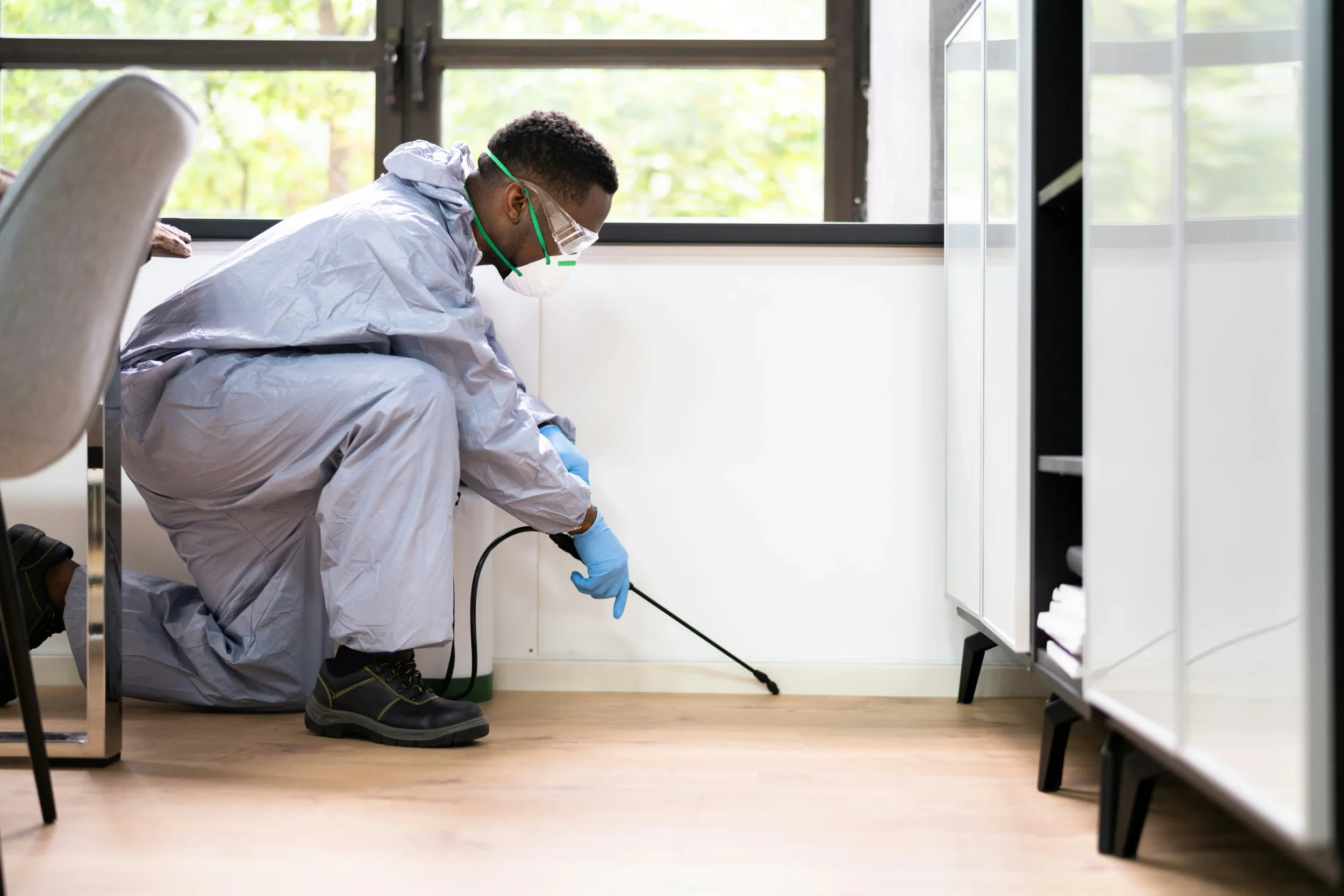
Deep cleaning of overlooked areas
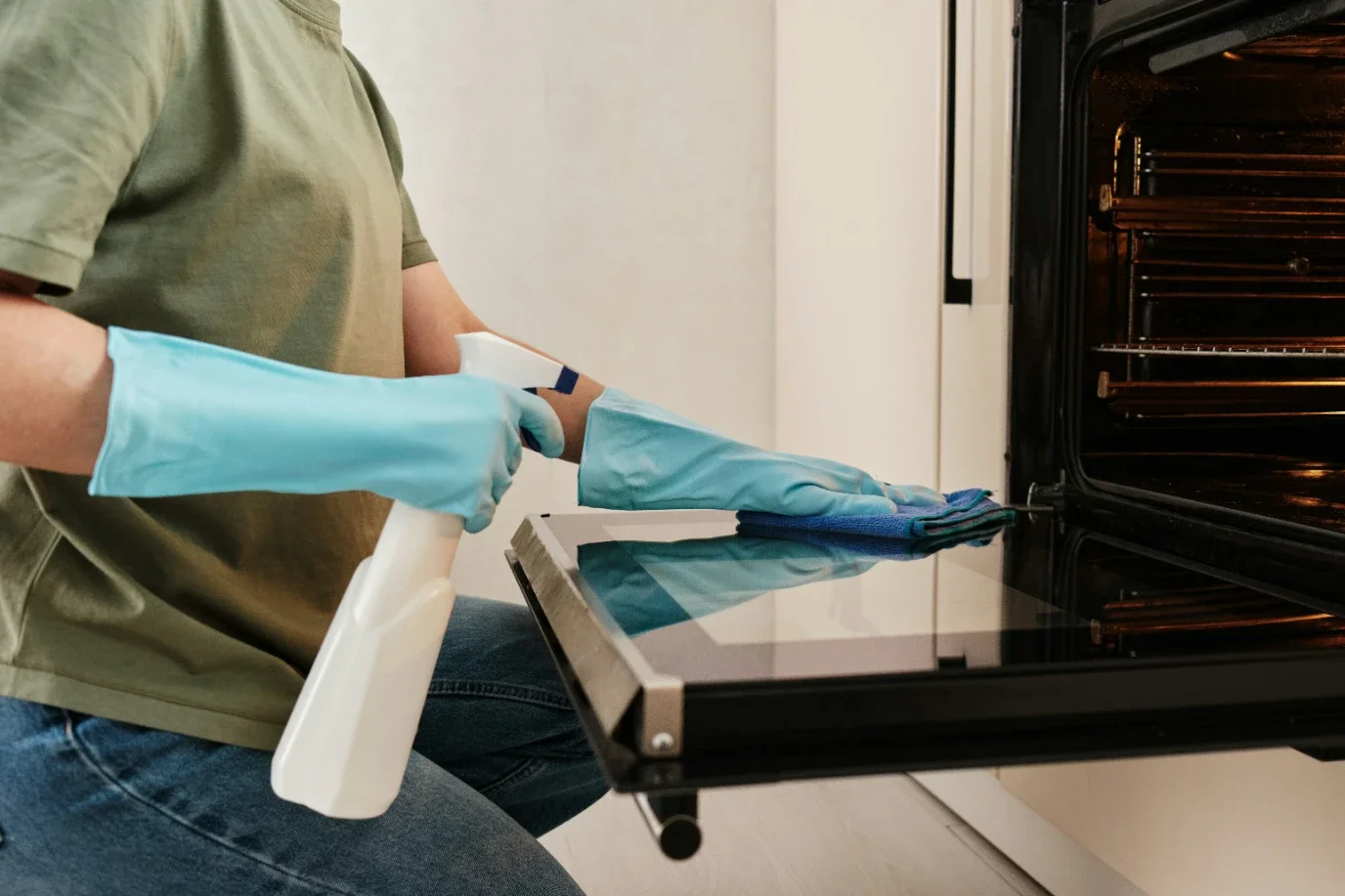
For busy households, hiring a professional house cleaning service can help maintain consistency. Professional cleaning removes the buildup that often makes rooms feel crowded and neglected, even when they are well organized.
The goal is not perfection. The goal is preventing small messes from becoming major disruptions.
Prioritize Functional Storage
Storage should be integrated into the design of the home rather than treated as an afterthought.
Built-in cabinetry offers one of the most efficient solutions because it maximizes vertical space while maintaining a streamlined appearance. Furniture with hidden storage also helps reduce visible clutter.
Effective storage follows a simple rule. Frequently used items should be easy to access. Infrequently used items should be stored out of sight.
This approach reduces visual noise while improving everyday functionality.
Follow the One-In-One-Out Principle
One reason clutter accumulates is that items enter the home faster than they leave.
The one-in-one-out method creates balance. When a new decorative accessory, kitchen gadget, or piece of furniture enters the home, another item is removed.
This strategy helps prevent gradual overcrowding.
It also encourages more intentional purchasing decisions. Homeowners become less likely to buy items that do not serve a clear purpose.
Create Breathing Room Around Decor
A common decorating mistake is filling every available surface.
Negative space is an important design tool. It gives the eye a place to rest and allows focal points to attract attention.
Instead of displaying ten decorative objects on a shelf, display three or four carefully selected pieces.
Consider spacing between items, wall art, and furniture. Proper spacing creates a sense of order and sophistication.
Professional interior designers often spend as much time removing elements from a room as they do adding them.
Use a Consistent Color Palette
Clutter is not always physical. Visual clutter can result from excessive colors, patterns, and materials.
A consistent color palette creates cohesion throughout the home. It helps separate rooms feel connected and organized.
Consider limiting your primary palette to:
One dominant color
One secondary color
One accent color
Neutral supporting tones
This structure creates visual harmony without making spaces feel repetitive.
Consistency also makes future decorating decisions easier.
Design Around Daily Habits
A clutter-free home must support the way people actually live.
Observe how spaces are used throughout the day. Shoes often accumulate near entryways because storage is inconvenient. Mail piles up because there is no dedicated sorting station.
Instead of fighting these habits, design around them.
Add storage benches near entrances. Create charging stations for electronics. Install hooks where bags naturally collect.
Functional design reduces friction and increases the likelihood that organizational systems will be maintained.
Limit Decorative Accessories
Accessories add personality, but too many can weaken a design scheme.
Every decorative object should contribute something meaningful to the room. This may be texture, color, scale, or personal significance.
Evaluate decorative items regularly and remove pieces that no longer support the design direction of the space.
A curated collection creates greater impact than an overcrowded display.
This approach also simplifies cleaning and maintenance.
Final Thoughts
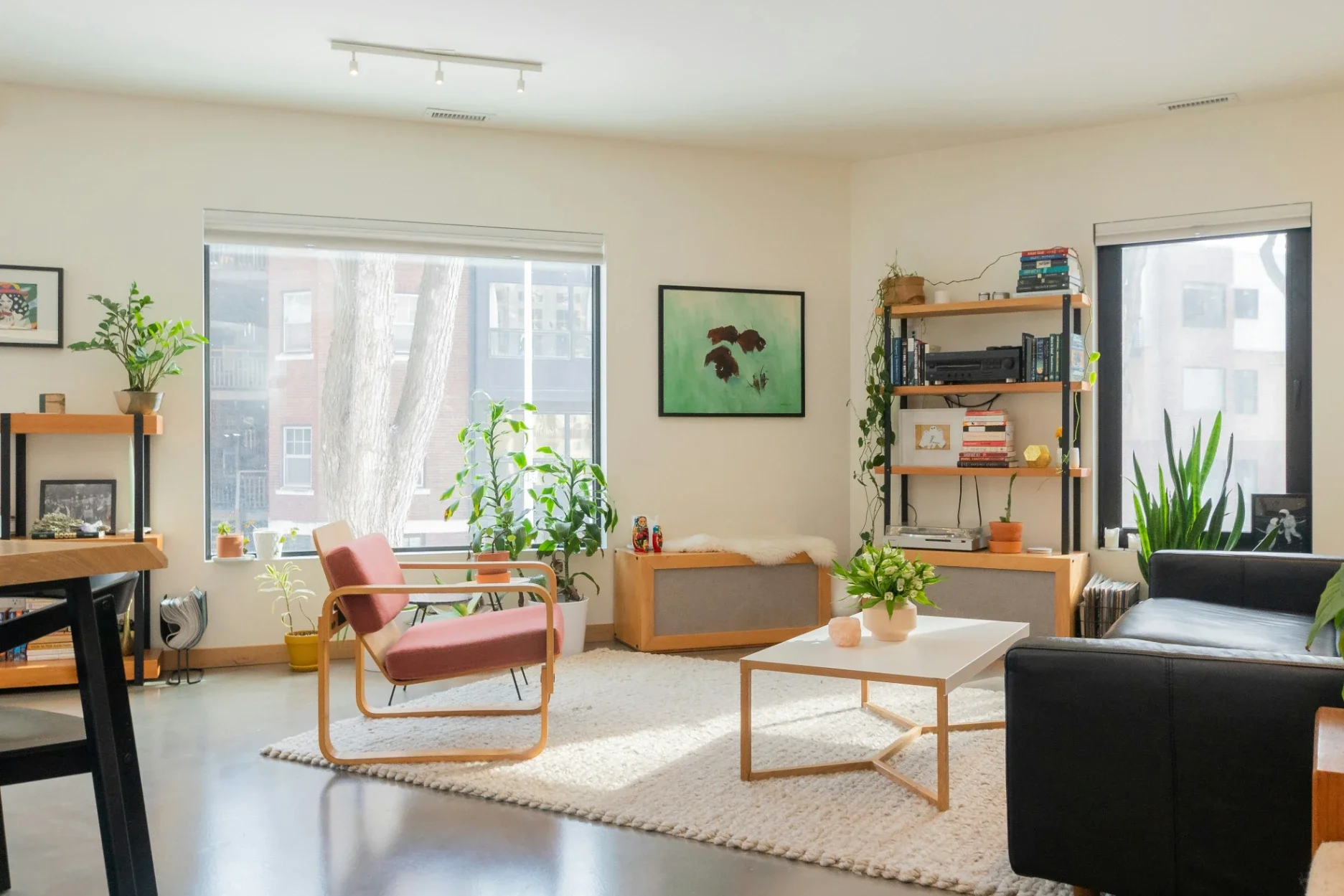
The secret to a clutter-free and stylish home is not minimalism. It is intentionality. Every object, storage solution, and design choice should support both function and aesthetics.
When cleaning systems are consistent, storage is purposeful, and décor is carefully curated, rooms feel larger, calmer, and more inviting. The result is a home that looks polished every day, not just after a major cleanup.
Stay up to date with our latest ideas!