A Guide to Design, Decorating, and Finding the Right Partner for Your Home
NYC interiors stay quiet, layered, and resolved — never staged. How the design process works here, what separates a designer from a decorator, and what to know before starting a project

New York has always set the pace for interior taste. From prewar apartments on the Upper West Side to glass towers in Tribeca, the spaces people live in here reflect a mix of ambition, restraint, and constant reinvention. Anyone searching for an interior designer NYC residents actually trust will notice a pattern fairly quickly. The strongest work in this city stays quiet. Rooms feel resolved, never staged, and that quality takes real skill to pull off.
This guide walks through what makes the city's design sensibility distinct, how the process typically works here, what to expect when hiring help, and a few practical notes for anyone about to start a project of their own.
What Makes New York Interior Style Distinct
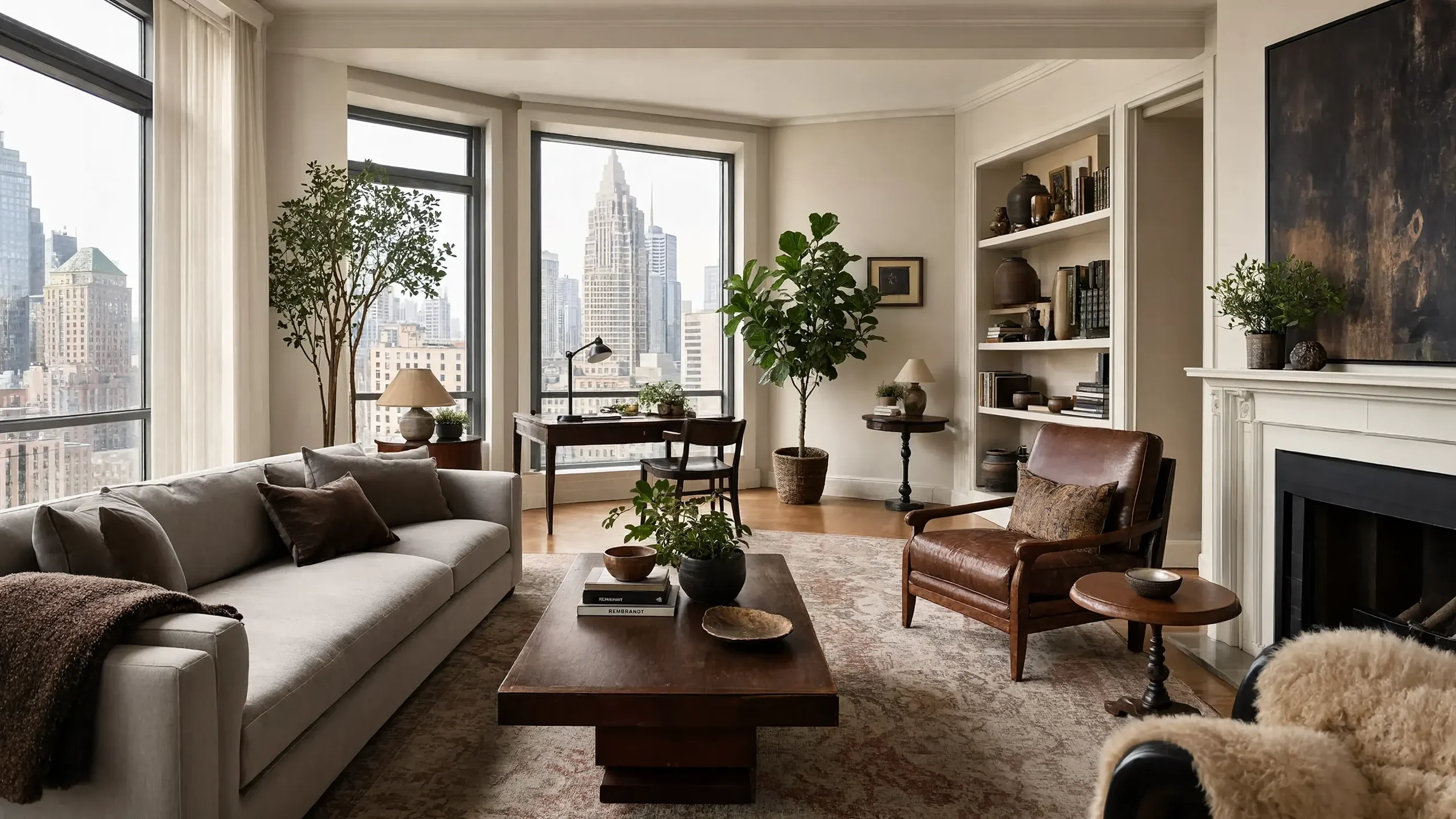
People describe New York interior style as a blend of old and new so often that the phrase has nearly lost its meaning, yet the city keeps proving it true. A prewar building with tall ceilings and original crown moldings might sit two blocks from a newly built condo with floor to ceiling glass. A skilled designer working in either type of home studies what already exists in the space before adding anything new.
That habit sits at the center of good design work here. An older fixture often stays in place, cleaned up and refinished. A new piece of furniture gets chosen to sit quietly beside something inherited. None of this happens quickly. It comes from close attention to how light moves through a room across the day, and from having seen enough finished spaces to know what actually holds up over time.
A few patterns repeat across the city's homes, whatever the neighborhood. Warm, neutral backgrounds carry most rooms, with color saved for one or two accents that carry real weight. Mixing older and newer furniture has become common too. A room built entirely from new pieces rarely carries the same sense of history as one that layers in something inherited or found along the way.
How the Design Process Works in New York
Most projects, large or small, follow a similar arc from first conversation to final walkthrough. It starts with an honest discussion about how the space actually gets used day to day, since a home that photographs well but doesn't function for its owners rarely ages well. A floor plan and general direction take shape next, followed by renderings or mood boards that let clients see the space before committing to materials.
Digital visualization has become a standard part of design work in this city. Plenty of New Yorkers hire designers while juggling demanding schedules or living outside the city part of the year, and reviewing a rendered space remotely removes much of the guesswork that once came with choosing finishes sight unseen.

Once a direction gets approved, the process moves into sourcing furniture and materials, and often into coordination with a construction team for larger renovations. A designer who stays involved through installation, checking details on site as work happens, tends to produce stronger results. That matters here especially, in a city where contractors juggle several jobs at once and small decisions get made on site nearly every day.
Choosing an Interior Designer or Decorator in NYC
The market for design help in this city runs dense, from large firms handling full gut renovations to independent designers who focus on smaller projects like a single room refresh or a lighting overhaul. Because the range is so wide, a few questions help narrow the search before reaching out to anyone.
Consider whether the project needs architectural involvement, someone who can produce construction drawings and manage contractors, or whether it calls for purely decorative guidance around furniture and layout. Look closely at completed portfolios. Photographs of finished rooms carry more information than a designer's own description of their style ever will. Ask how they handle surprises too, since older buildings almost always reveal something unexpected once walls open.
Anyone gathering ideas before a renovation can learn a great deal from browsing finished portfolios online. Independent designers across the city frequently share full project walkthroughs, and portfolios like this one show how spatial planning and 3D visualization come together well before construction starts, which makes it easier to picture what's realistic for a given budget and floor plan.
Working Within Real Constraints
Space defines nearly every interior project in this city. Square footage runs expensive and often irregular, so much of the design work happens long before anyone picks out furniture. Built in storage, multipurpose pieces, and a thoughtful lighting plan shape how a home feels more than any single decorative object ever could on its own.
Lighting gets underestimated more than almost anything else in a renovation. A layered approach, mixing ambient, task, and accent sources, can shift the entire mood of a room without touching a single wall. Homeowners tackling projects on their own often skip this step, usually because it stays easy to overlook until the space is finished and something still feels flat.
Letting a Home Stay Personal
The apartments that feel most successful carry real traces of the people who live in them, art collected over years, a chair passed down from a parent, something picked up on a trip abroad. These details give a finished space its warmth, and a good designer usually asks about them before any planning even begins. The best New York interiors leave room for a client's actual life alongside the polished version of it.
A Few Notes Before Starting a Project
Some habits separate smooth renovation projects from stressful ones in this city.
Budget for a contingency of at least ten to fifteen percent, since older buildings almost always turn up surprises once walls open.
Confirm any building requirements early, since co-ops and condos frequently enforce their own approval processes and working hour restrictions that can shift a timeline by weeks.
Hold off on choosing finishes until the layout is settled, since flooring, paint, and lighting decisions come together more easily once the flow of the space is locked in.
Build in extra time for sourcing too, particularly for custom or antique pieces, which can take considerably longer to arrive than standard retail furniture.
New York interior style keeps changing shape because the city keeps changing shape around it. What holds steady is a respect for a building's history, a clear eye for real constraints, and enough restraint to let the people living there feel at home. That balance is usually what separates a house from a home here.
Frequently Asked Questions
How much does it cost to hire an interior designer in NYC?
Costs vary widely depending on project scope and the designer's fee structure, which might be hourly, flat rate, or a percentage of total project cost. A single room refresh runs far less than a full apartment renovation, so it helps to ask for a clear estimate and fee breakdown before signing on with anyone.
What is the difference between an interior designer and an interior decorator in New York?
An interior designer typically handles space planning and can work with architectural elements, including walls, layouts, and construction coordination. A decorator generally focuses on the finishing layer of a space, furniture, color, textiles, and styling, without touching the underlying structure.
How long does a typical NYC renovation take?
Timelines depend heavily on scope and building approvals. A cosmetic refresh might take a few weeks, while a full gut renovation in a co-op or condo, factoring in board approval and permit timelines, often runs several months from start to finish.
Do I need a permit to renovate my apartment in New York?
Many projects involving plumbing, electrical work, or structural changes require permits through the Department of Buildings. Cosmetic updates like painting or replacing fixtures generally don't, though it's worth confirming with a professional early to avoid delays later in the project.
Stay up to date with our latest ideas!