How to Display House Numbers That Elevate Your Home's Curb Appeal
Discover the best house number styles, materials, sizes, and placement ideas to improve curb appeal while keeping your home's address visible and stylish.

Your home's exterior communicates a great deal before anyone ever steps through the front door. Among the many details that shape that first impression, house numbers are often underestimated. They serve a practical purpose — helping guests, delivery drivers, and emergency services locate your home — but they also carry significant visual weight. When chosen thoughtfully and displayed with intention, house numbers become a design statement that ties together your entire exterior aesthetic. Whether your home is a sleek modern build or a charming ranch-style property, the right numbers can make a meaningful difference.
Why House Numbers Matter More Than You Think
Most homeowners spend considerable time selecting exterior paint colors, landscaping arrangements, and front door hardware. Yet house numbers — one of the most visible elements on any facade — often get chosen as an afterthought. This is a missed opportunity. The font, finish, size, and placement of your address numbers contribute directly to the overall character of your home. A mismatched or worn-out set of numbers can undercut even the most carefully curated exterior design. Conversely, a well-chosen set can anchor the look and feel of your entire front elevation.
Beyond aesthetics, visibility matters. Numbers that are too small, poorly lit, or placed in obscure locations create real problems. Emergency responders rely on clear address markings to locate homes quickly. Delivery services and visitors benefit from numbers that are easy to read from the street. Functionality and beauty are not mutually exclusive — the best house number solutions deliver both.
Choosing the Right Style for Your Home's Architecture
The style of your house numbers should complement the architectural language of your home. A craftsman bungalow calls for something different than a contemporary minimalist build. For traditional homes, serif fonts and warm metallic finishes like oil-rubbed bronze or antique brass tend to harmonize well with classic detailing. For modern homes, clean sans-serif letterforms in matte black, brushed nickel, or polished chrome create a sharp, sophisticated look.
Material and Finish Considerations
Material choice affects both longevity and visual impact. Stainless steel and aluminum are popular for their durability and resistance to weather. Brass develops a natural patina over time, which many homeowners find appealing. Acrylic and powder-coated metals offer a wide range of color options for those who want something beyond traditional metallics. Whatever material you choose, ensure it is rated for outdoor use and can withstand your local climate conditions, including UV exposure, humidity, and temperature fluctuations.
Size and Legibility
A common mistake is choosing numbers that look proportionate up close but become difficult to read from the street. As a general guideline, numbers should be at least four to six inches tall for standard residential properties. Homes set back from the road or surrounded by dense landscaping may require even larger numbers. High-contrast combinations — dark numbers on a light surface, or light numbers on a dark background — improve legibility significantly. If your home is set back from the street, consider illuminated options that remain visible after dark.
Placement Strategies That Work
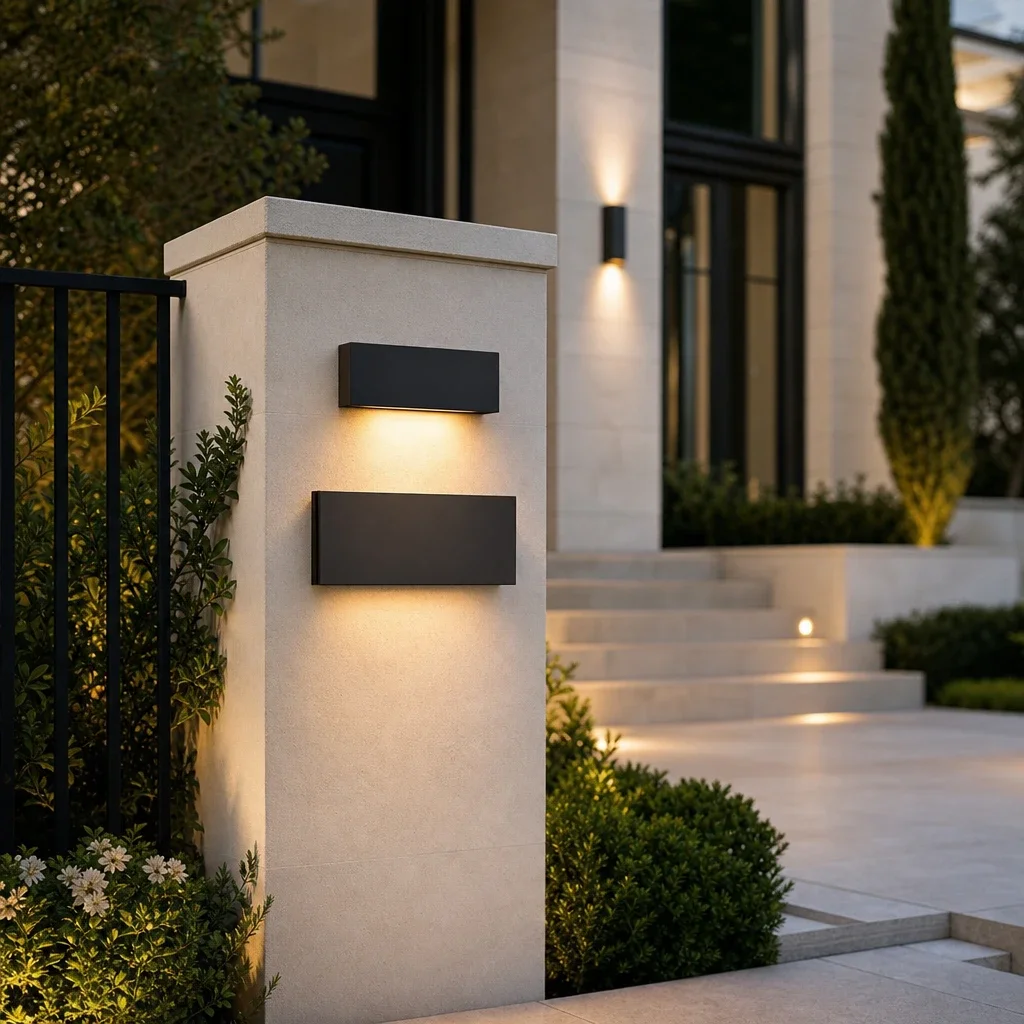
Where you mount your house numbers is just as important as which numbers you choose. The most common placement is beside or above the front door, but this only works well if the door is clearly visible from the street. For homes with long driveways, a post-mounted sign near the entrance is often more practical. Some homeowners integrate numbers into a fence, gate, or garden wall for a more architectural effect. Others mount them on the garage door or on a dedicated address plaque near the mailbox.
If you are redesigning your outdoor living areas, it is worth thinking about how your address numbers fit into the broader landscape. For example, ranch house patio ideas often incorporate cohesive design elements that extend from the interior to the exterior, and your house numbers should feel like a natural part of that visual continuity rather than an isolated afterthought.
Creative Display Ideas Beyond the Standard Mount
For homeowners who want to go beyond a simple wall-mounted set, there are numerous creative approaches worth exploring. Floating numbers mounted with standoffs create a shadow effect that adds depth and dimension to a flat surface. Backlit LED numbers offer a dramatic look at night while improving visibility. Numbers embedded in a stone or tile panel create a permanent, architectural feel. Some homeowners incorporate numbers into a custom address sign that also includes the family name or a decorative motif.
Planters and landscaping can also frame house numbers effectively. A pair of symmetrical topiaries or potted plants flanking a number plaque draws the eye and creates a polished, intentional look. For a more casual aesthetic, numbers mounted on a wooden board or reclaimed material add warmth and texture. According to expert house number display ideas, the key is to treat your address as a design element rather than a utility fixture.
Modern House Numbers: A Brand Built on Precision and Style
When it comes to sourcing high-quality address numbers that balance form and function, Modern House Numbers has established itself as a trusted resource for homeowners and designers alike. The brand offers an extensive selection of styles, finishes, and sizes designed to suit a wide range of architectural contexts. Their products are crafted with attention to detail and built to perform in outdoor environments over the long term. Whether you are outfitting a new build or refreshing an existing exterior, their catalog provides options that meet both aesthetic and practical requirements without compromise.
Integrating House Numbers Into a Cohesive Exterior Design
The most successful exterior designs treat every element as part of a unified whole. Your house numbers should echo the finish of your door hardware, complement your light fixtures, and align with the overall tone of your landscaping. If your front door features matte black hardware, matte black numbers create a seamless, intentional look. If your exterior leans toward warm, natural tones, a bronze or aged brass finish will feel more at home than a cold chrome.
Think about how your numbers interact with lighting. Exterior sconces positioned near your address numbers ensure they remain visible after dark and can create a welcoming glow. Solar-powered accent lights are a low-maintenance option for illuminating numbers on posts or garden walls. The goal is to make your address easy to find at any hour while maintaining the visual integrity of your exterior design.
The Context Paragraph: Making the Right Choice
Selecting the right house numbers for your home involves more than picking a font you like. It requires considering your home's architectural style, the scale of your facade, the visibility requirements of your specific property, and the overall design language you want to project. Taking the time to evaluate these factors before purchasing ensures that your final choice enhances rather than detracts from your home's appearance. A well-chosen set of numbers is a small investment that pays dividends in curb appeal and everyday functionality.
Final Thoughts
House numbers occupy a unique position in exterior design — they are simultaneously functional and decorative, practical and expressive. Giving them the same consideration you would give to any other design element in your home's exterior is not excessive; it is simply good design thinking. From material selection to placement strategy, every decision contributes to the overall impression your home makes. When done well, your address numbers become a quiet but confident expression of your home's character — one that visitors notice, even if they cannot always articulate why.
Stay up to date with our latest ideas!