How to Choose Rattan Light Fixtures by Room
Learn how to choose rattan light fixtures by room with tips on size, style, lighting needs, and creating a warm, natural interior design.
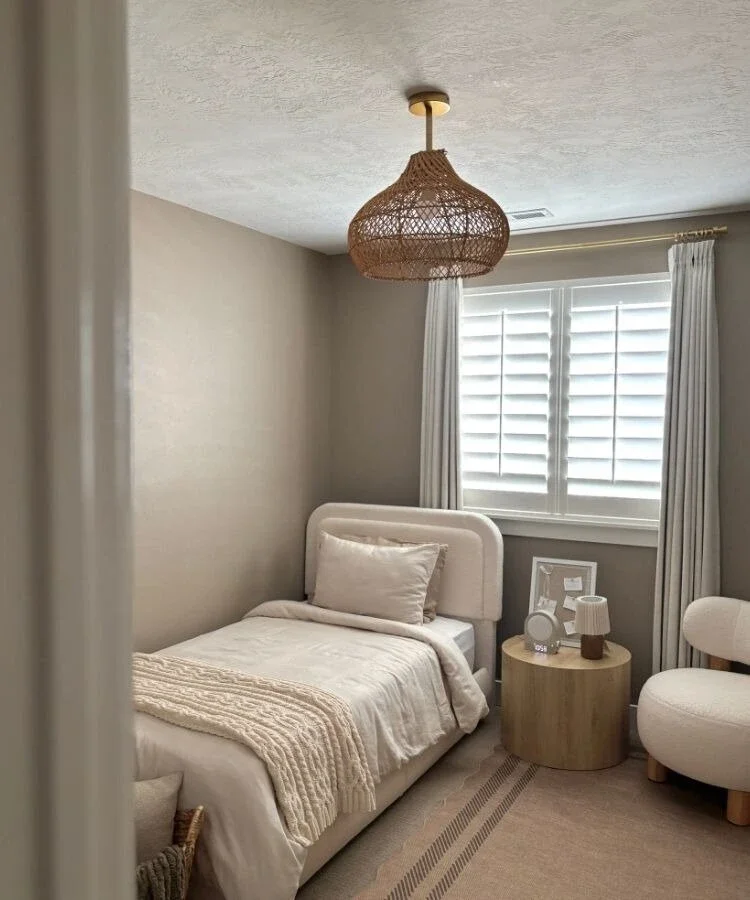
A rattan light fixture adds natural texture, soft shadow, and a warmer mood to a room because the woven shade softens the bulb instead of hiding it completely. If you are starting with one flexible fixture type, a wicker pendant light is a practical choice for dining tables, kitchen islands, bedroom corners, entryways, and relaxed living spaces where texture matters as much as illumination.
Quick answer: A rattan light fixture works best when you choose it by room, ceiling height, shade shape, and weave density. In our styling experience with natural lighting, including Rowabi Lighting designs, tighter woven shades create softer ambient light for bedrooms and living rooms, while open rattan pendant lights bring more texture and visual movement to kitchen islands, dining tables, and entries.
The most important rule is to match the fixture to the room’s purpose. Bedrooms and living rooms usually benefit from tighter weaves, rounded silhouettes, and warm 2700K bulbs. Kitchens, dining rooms, and entryways can handle more open basket, bell, or dome shades because the extra shadow pattern adds depth without making the space feel heavy.
Why Rattan Light Fixtures Make a Room Feel Warmer
Rattan light fixtures warm up a room because of how they interact with light: filtering it through the weave rather than directing it as a solid shade would.
Most standard light shades, such as fabric drums, glass globes, and metal cones, either block or transmit light in a fairly uniform way. A rattan or woven shade works differently. Light passes through each gap in the weave and scatters softly onto surrounding walls and ceilings, creating a dappled, layered glow that reads as warmer than the same bulb behind a solid material. The effect is closer to candlelight than overhead fluorescent, ambient rather than functional, inviting rather than harsh.
The features of natural materials, the way the rattan pendant diffuses the light, all bring a cozier ambiance to any room. Image credit: Rowabi.
The material itself contributes independently of the light. Natural rattan carries warm amber tones even when unlit, the color of dried grass, sun-bleached wood, or basketry. These tones belong to the same palette as linen, oak, terracotta, and aged brass, which is why rattan fixtures integrate naturally into so many interior styles. Add a 2700K warm white bulb, and the combination produces a quality of light that most rooms lack: soft, layered, and genuinely warm.
There's also the handcrafted dimension. Because rattan is a natural fiber, no two shades are identical. The slight irregularities in weave tension, fiber thickness, and shape are signs of craftsmanship rather than defects. This gives a woven fixture a quality that manufactured alternatives can't replicate: it looks like something made, not produced.
Best Rooms for a Rattan Light Fixture
Rattan fixtures work in most rooms, but they're most effective where atmosphere and warmth take priority over raw brightness.
Kitchen
A rattan pendant over a kitchen island anchors the space and softens what can be a hard, utilitarian zone dominated by stone countertops, stainless steel, and cabinetry. One pendant works well for shorter islands; two or three in a line suit longer runs. The warm glow makes the island feel like the center of the home rather than a work surface.
Dining Room
This is arguably where rattan fixtures perform best. A pendant centered over a dining table creates a warm, defined zone that makes meals feel more considered. The diffused light from a woven shade is flattering for people and food alike: a quality that brighter, more directional fixtures rarely achieve. The height of the pendant matters here: 28–34 inches above the tabletop is the standard range for most pendant sizes.
Bedroom
Rattan pendants beside the bed, used as hanging bedside lights in place of table lamps, free up surface space while adding organic texture at eye level. A single rattan pendant centered over the bed works well in rooms with higher ceilings or where the pendant is the primary light source. The soft glow through the shade is ideal for winding down.
Living Room
In living rooms, rattan fixtures work best as accent and ambient sources rather than primary overhead lighting. A pendant above a reading chair, a flush mount in a lower-ceilinged alcove, or a woven drum shade in a central position all contribute warmth without demanding attention. Pair with floor lamps and table lamps for a fully layered result.
Entryway
A single rattan pendant in an entryway sets the tone for the rest of the home: warm, considered, and material-aware. In a taller foyer, a longer cord and a larger shade make a genuine architectural statement without requiring expensive intervention.
Covered Patio
For covered outdoor spaces, such as verandas, screened porches, and pergolas, a damp-rated or specifically designed-for-outdoor-use rattan pendant can extend the interior aesthetic outdoors. Standard indoor rattan fixtures should not be used in exposed outdoor locations; always confirm the fixture's rating before installing it in any humid or partially protected environment.
Popular Rattan Fixture Styles to Consider
Dome: The most versatile and enduring rattan pendant shape. A continuous curved silhouette that focuses warm light downward while allowing a soft glow through the sides. Works well over dining tables, kitchen islands, and beside beds. Clean, settled, and easy to live with across changing interior styles.
Bell: Similar to the dome but with a flared lower opening that casts slightly more downward light. Has a more traditional quality than the dome, making it particularly well-suited to dining rooms and entryways. Pairs naturally with furniture that has tapered or curved legs.
Basket and Open Weave: Loose, open-weave rattan shades let significantly more light pass through the material, creating dramatic shadow patterns on walls and ceilings when lit. The most atmospheric of all rattan styles, well-suited to bedrooms, dining rooms, and living spaces where the play of light and shadow is part of the design intent. Because the bulb is visible through the weave, a decorative Edison or globe bulb adds to the effect.
Drum: A cylindrical shade that casts light both downward and upward through the open top, creating broader ambient coverage than directional shapes. Works well in living rooms and bedrooms where overall warmth matters more than focused illumination. A wide drum shade also carries strong visual weight as a standalone statement.
Rattan pendant lights come in a diverse range of shapes and easily match any interior style.
Flush Mount: For rooms with lower ceilings where a hanging pendant isn't practical, a rattan flush mount brings the same natural texture and warm diffusion without any drop. Particularly useful in bedrooms, hallways, and smaller spaces where ceiling clearance is a constraint.
Plug-In Hanging Light: For renters or buyers who want the look of a pendant without hardwiring, plug-in rattan pendants hang from a ceiling hook and connect to a standard outlet. The cord is typically draped along the wall or ceiling. A practical, no-commitment option that still delivers the overhead warmth of a proper pendant installation.
How to Choose the Right Shape and Size
Getting the proportions right matters more than most buyers expect. An undersized rattan fixture reads as an afterthought; an oversized one can overwhelm the room and the furniture beneath it.
Over a dining table: Start with the pendant diameter at roughly half the table's width, so a 36-inch table suits a pendant in the 16–20-inch range. For a longer rectangular table, two pendants in a line often look better than one large shade. Hang the bottom of the fixture 28–34 inches above the tabletop: close enough to feel anchored, high enough to maintain sightlines across the table.
Over a kitchen island: The combined width of your pendants should cover approximately 50–60% of the island's total length. For a 72-inch island, two 18-inch pendants work well. For a 96-inch island, three 18-inch or two 24-inch pendants are a natural fit. Hang 30–36 inches above the counter surface.
Ceiling height: In rooms with standard 8-foot ceilings, keep pendant sizes compact. For example, a large shade in a low-ceilinged room feels oppressive. In rooms with 9-foot or higher ceilings, larger shades and longer cords read proportionately, and the fixture earns more presence in the space.
Visual weight: Open-weave rattan appears lighter than tightly woven rattan, even at the same diameter. If the room is already visually busy, strong colors, heavily patterned textiles, a lot of furniture, a loose, airy weave recedes more gracefully. If the room is minimal and you want the fixture to be a statement, a denser, more substantial shade delivers that presence.
How to Style Rattan With Different Interiors
Rattan is a natural neutral. It integrates into a wide range of interior styles without dominating them. Here's how it reads in the most common current directions:
Modern Organic
The most natural fit. Modern organic interiors combine clean architectural lines with raw, tactile natural materials such as linen, oak, terracotta, and aged brass. A rattan pendant in this setting feels entirely at home: it reinforces the material palette without introducing anything foreign. The key is restraint, a single well-chosen fixture rather than multiple woven pieces competing for attention.
Japandi
Japandi blends Scandinavian minimalism with Japanese wabi-sabi sensibility: quiet, intentional, material-aware. Rattan fixtures with simple silhouettes and restrained shapes work well here. Avoid overly decorative weaves or highly textured shades; a clean dome or cone in natural rattan is more in keeping with the aesthetic than a shaggy or dramatic basket form.
Coastal and Organic Coastal
Natural woven textures are fundamental to coastal design, but organic coastal has moved beyond the nautical clichés of shells and rope toward a softer, more refined interpretation. Rattan pendants, especially domes and open-weave globes, fit this direction naturally. Pair with sandy beige walls, soft linen, bleached wood, and warm brass hardware.
Modern Farmhouse
Rattan works well in farmhouse interiors when used selectively. One or two rattan pendants over an island or table, set against white-painted cabinetry and wood countertops, read as warm and considered. The risk in farmhouse interiors is overcrowding the natural-material palette; rattan alongside shiplap, wicker, jute, and macramé simultaneously can tip from layered into overwhelming.
Transitional
Transitional interiors sit between traditional and contemporary, relying on balanced proportions and classic yet updated material choices. A rattan pendant works here as long as the shade has a clean, classic silhouette, such as a dome, bell, or simple drum. Overly rustic or sculptural forms can feel at odds with the polished quality that transitional design typically maintains.
Common Mistakes to Avoid
Using too many woven pieces at once. The most common error with rattan is layering it too heavily: a rattan pendant, a jute rug, a wicker basket, rattan furniture, and a macramé wall hanging, all in the same room. The individual pieces may each be well-chosen, but together they create visual noise. Let the pendant carry the natural texture and keep other woven elements to one or two supporting roles.
Wrong scale for the space. A pendant that is too small for the table below or the room around it loses its impact. One that is too large crowds the space, creating an imbalance. Always verify the diameter against the surface below and the ceiling height above before ordering.
Using a harsh or cool-toned bulb. A 4000K or 5000K daylight bulb inside a rattan shade strips away the warmth that makes the material worth choosing. The cool light turns the amber fiber gray, making the room feel clinical rather than warm. Use 2700K–3000K warm white bulbs in every rattan fixture, without exception.
Installing an indoor fixture in an outdoor or humid location. Natural rattan is an organic fiber and will deteriorate with prolonged exposure to moisture. A standard indoor rattan pendant should not be installed in a bathroom, an uncovered outdoor area, or a highly humid environment. If you want rattan in a covered porch or a bathroom, look specifically for a fixture rated for damp or wet locations.
Hanging at the wrong height. Too high, and the pendant floats disconnected from the surface below. Too low, and it obstructs sightlines or feels claustrophobic. The 28–34 inch rule for dining tables and the 30–36 inch rule for kitchen islands apply to most pendant sizes and ceiling heights. When in doubt, err slightly on the high side and adjust from there.
Conclusion
Rattan light fixtures are among the most practical natural-material upgrades for a home. They add warmth, texture, and handcrafted character to spaces that would otherwise feel flat or overly polished, and they do it at a scale and price point that most people can access without a full renovation.
The principles are straightforward: choose the right shape for the room, match the size to the surface and ceiling below, use warm white bulbs, and treat the fixture as a supporting player rather than a theme. Rattan has been a part of interiors across cultures for centuries because it earns its place quietly: warm, flexible, and genuinely useful in any room it occupies.
Stay up to date with our latest ideas!