Protecting Your Garden Investment: A Cost-Benefit Guide to Pest Prevention for Homeowners
Learn how homeowners can protect their garden investment with a cost-benefit approach to pest prevention, maintenance, and long-term landscape health.

At GlowyDecor, we spend a lot of time talking about how to make outdoor spaces feel as intentional as the rooms inside your home, from layered patio styling to the perfect planting beds that frame a front entrance. But all that curated beauty rests on something less glamorous: healthy soil, thriving plants, and structures that stay pest-free. A gorgeous garden bed loses its charm fast when aphids strip the roses or termites start eyeing the wooden pergola you just installed. For readers who treat their yards as an extension of their home's design, pest prevention is not a side issue, it is part of protecting the investment you have already made in curb appeal and outdoor living.
Homeowners often underestimate how quickly small pest problems become expensive design problems. A vine-covered trellis, a raised vegetable bed, or a newly landscaped border can represent hundreds or thousands of dollars in materials and labor. Left unmanaged, pests do not just nibble leaves, they can undermine the structural elements that hold your outdoor design together, from wood edging to fence posts. Thinking about pest control as part of your overall decor budget, rather than an afterthought, changes how you plan and spend throughout the year.
The True Cost of Garden Pest Damage: Why Prevention Beats Repair
The math on pest prevention is fairly straightforward once you line up the numbers. Routine preventative treatments typically cost far less than the damage they prevent, especially when it comes to wood-destroying insects like termites and carpenter ants. According to Pest Control Pricing - Cost Guides & Local Pricing (2026), termite damage alone averages $3,000 to $8,000 in repairs, and most homeowners insurance does not cover it, making preventive pest control significantly cheaper than emergency treatment. That gap alone should reframe how homeowners budget for outdoor maintenance each year.
Beyond direct repair costs, pest damage can quietly erode your home's resale value. Structural pest damage has been linked to property value losses of up to 20 percent, according to recent real estate data, which means an unresolved infestation does not just cost you in repairs, it can cost you at the closing table too. For homeowners who have invested in landscaping, decks, or garden structures specifically to boost curb appeal, that risk deserves real attention. A resource like 3 common garden pests and how to prevent them is a useful starting point for understanding which pests pose the biggest threat to typical residential landscapes.
3 Common Garden Pests and Budget-Friendly Prevention Methods
Aphids, slugs, and spider mites are among the most common culprits behind damaged flower beds and vegetable gardens, and none of them require expensive intervention if you catch them early. Aphids can often be managed with insecticidal soap or by introducing natural predators like ladybugs, both low-cost options compared to replacing entire plant beds. Slugs respond well to simple barriers like copper tape or diatomaceous earth, materials that cost a few dollars and last an entire season. Spider mites, which thrive in dry conditions, are frequently kept in check just by maintaining consistent watering and occasionally hosing down foliage, a free or nearly free habit that pays off in healthier plants.
The larger financial risk comes from pests that homeowners cannot always spot themselves, such as termites, carpenter ants, or wood-boring beetles that target fences, raised beds, and outdoor structures. These pests rarely announce themselves until damage is already underway, which is why periodic professional inspections matter even for gardeners who prefer a hands-on approach. If you are exploring layout ideas for raised beds or wooden garden features, it is worth pairing that planning with pest-resistant materials and treatments, an approach covered in more depth in our gardening section for readers building out a full outdoor design plan.
Where to Invest vs. Where to Economize: A Homeowner's Pest Prevention Budget
Not every part of a pest prevention plan deserves the same level of spending, and knowing where to allocate your budget can save real money over time. DIY solutions like soap sprays, barrier tapes, and companion planting are inexpensive and effective for surface-level pest issues, so there is little reason to pay a professional for problems you can manage yourself with a weekend of effort. Where professional service earns its cost is in structural pest control, termite monitoring, and situations where an infestation has already taken hold, since misdiagnosing these problems often leads to far more expensive repairs later.
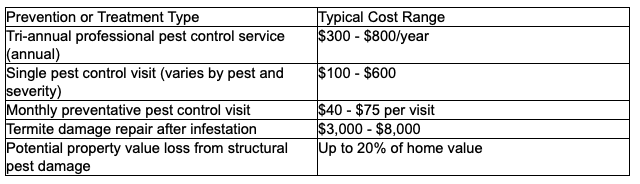
Looking at these figures side by side makes the case for prevention fairly clear. Spending $300 to $800 a year on scheduled service is a modest expense compared to a single termite repair bill, let alone the compounding effect of lost property value. For homeowners who have already sunk money into landscaping, patios, or garden structures, that annual cost functions less like a bill and more like insurance for the outdoor investment you have built over time.
Building Your Year-Round Prevention Plan: Quarterly vs. Monthly Service
Deciding between quarterly and monthly pest control service usually comes down to your property's specific risk factors, including climate, garden size, and whether you have had past infestations. Quarterly service tends to suit homeowners with moderate pest pressure and well-maintained gardens, since it catches seasonal shifts without the added cost of monthly visits. Monthly service makes more sense for properties in humid regions, homes near wooded areas, or gardens that have previously struggled with recurring pest issues, since more frequent monitoring can catch problems before they spread to structural elements.
Whichever schedule you choose, the goal is consistency rather than reacting only when you spot visible damage. A well-timed inspection schedule protects not just your plants but the wooden structures, fencing, and hardscaping that make up the rest of your outdoor design. Treating pest prevention as a predictable line item, similar to lawn care or seasonal planting, helps homeowners avoid the much larger surprise expenses that come with letting small problems grow unchecked.
Stay up to date with our latest ideas!