What to Wear for Gardening and Home Repairs
Find out what to wear for gardening and home repairs with practical clothing and gear that improve comfort, safety, and durability during projects.
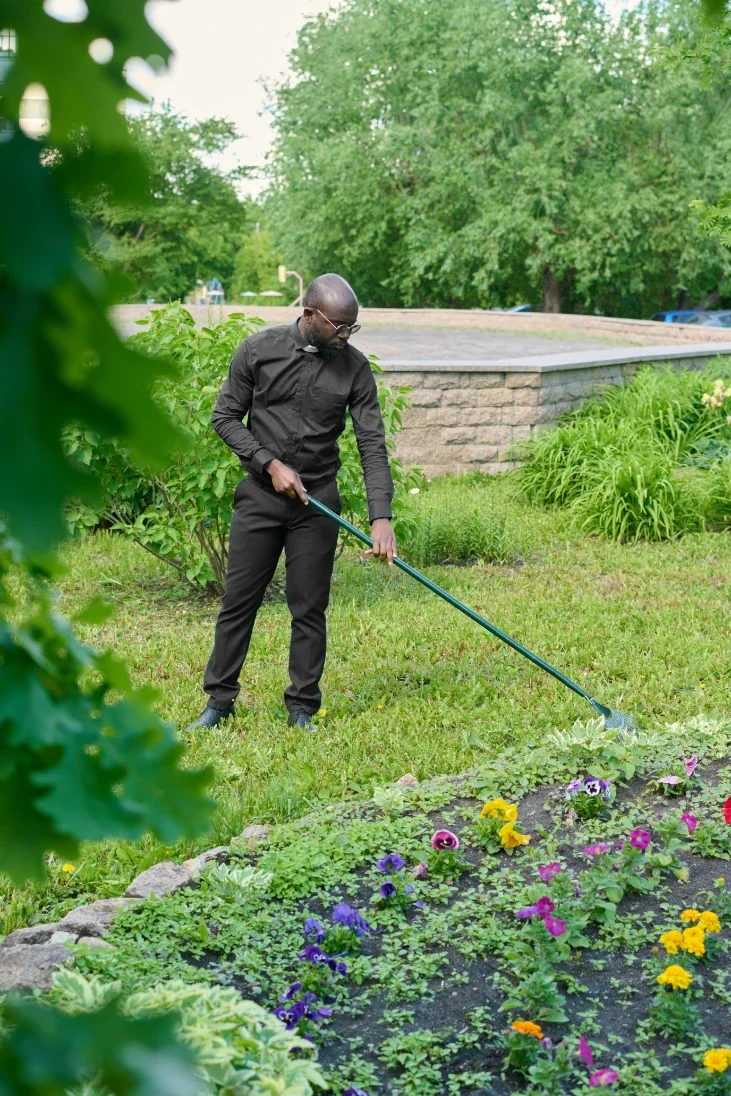
Gardening and home repairs require clothing that can handle movement, dirt, moisture, sharp surfaces, tools, and changing weather. Regular casual clothes may work for light tasks, but they often fail when the work involves kneeling, lifting, reaching, hauling, sanding, painting, or digging.
The right outfit protects your skin, supports mobility, and keeps small tools within reach. It also makes cleanup easier once the work is finished.
Good work clothing does not need to be bulky. It should be durable, breathable, flexible, and matched to the task.
Start With the Job Type
Before getting dressed, think about the work ahead. Planting herbs, painting trim, pruning shrubs, repairing a fence, cleaning gutters, and assembling shelves all require different protection.
Gardening usually involves soil, water, sun exposure, insects, kneeling, and bending. Home repairs may involve dust, splinters, adhesives, paint, hardware, tools, and sharp edges.
Choose clothing based on the highest-risk part of the task.
If you are using power tools, avoid loose sleeves, dangling cords, long jewelry, and anything that could catch.
If you are working outside, plan for temperature, sunlight, and moisture.
Choose Durable Pants
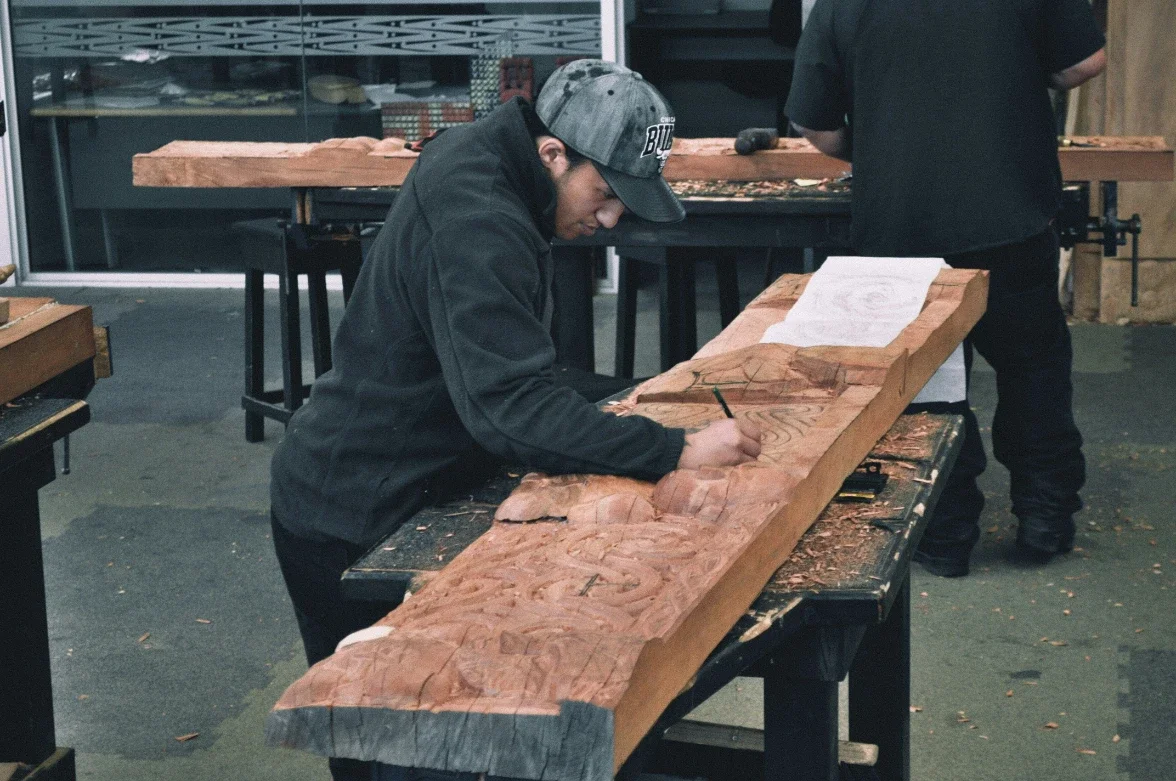
Pants take the most wear during gardening and repair work. They need to handle kneeling, crouching, climbing, and contact with rough surfaces.
Thin leggings or soft lounge pants can snag easily. Standard jeans may work for simple jobs, but they can feel stiff and may not offer enough pocket function.
For people who want stronger everyday workwear, tactical jeans can be useful because they combine a denim look with added durability, stretch, and practical storage.
The best work pants should allow full knee bend and comfortable movement at the hips.
Avoid pants that slide down when bending or tighten across the thighs when squatting.
Pick Breathable Tops
A work top should protect the skin without trapping too much heat. Lightweight long sleeves are often useful outdoors because they help block sun, dirt, and scratches.
For hot weather, choose breathable fabrics that wick moisture. For cooler workdays, layer a fitted base shirt under a flannel, hoodie, or light work jacket.
Avoid very loose tops around tools, ladders, paint, or equipment.
Cotton can be comfortable for light tasks, but it holds sweat and dries slowly. Synthetic blends or lightweight work shirts may perform better for longer projects.
Protect Your Hands
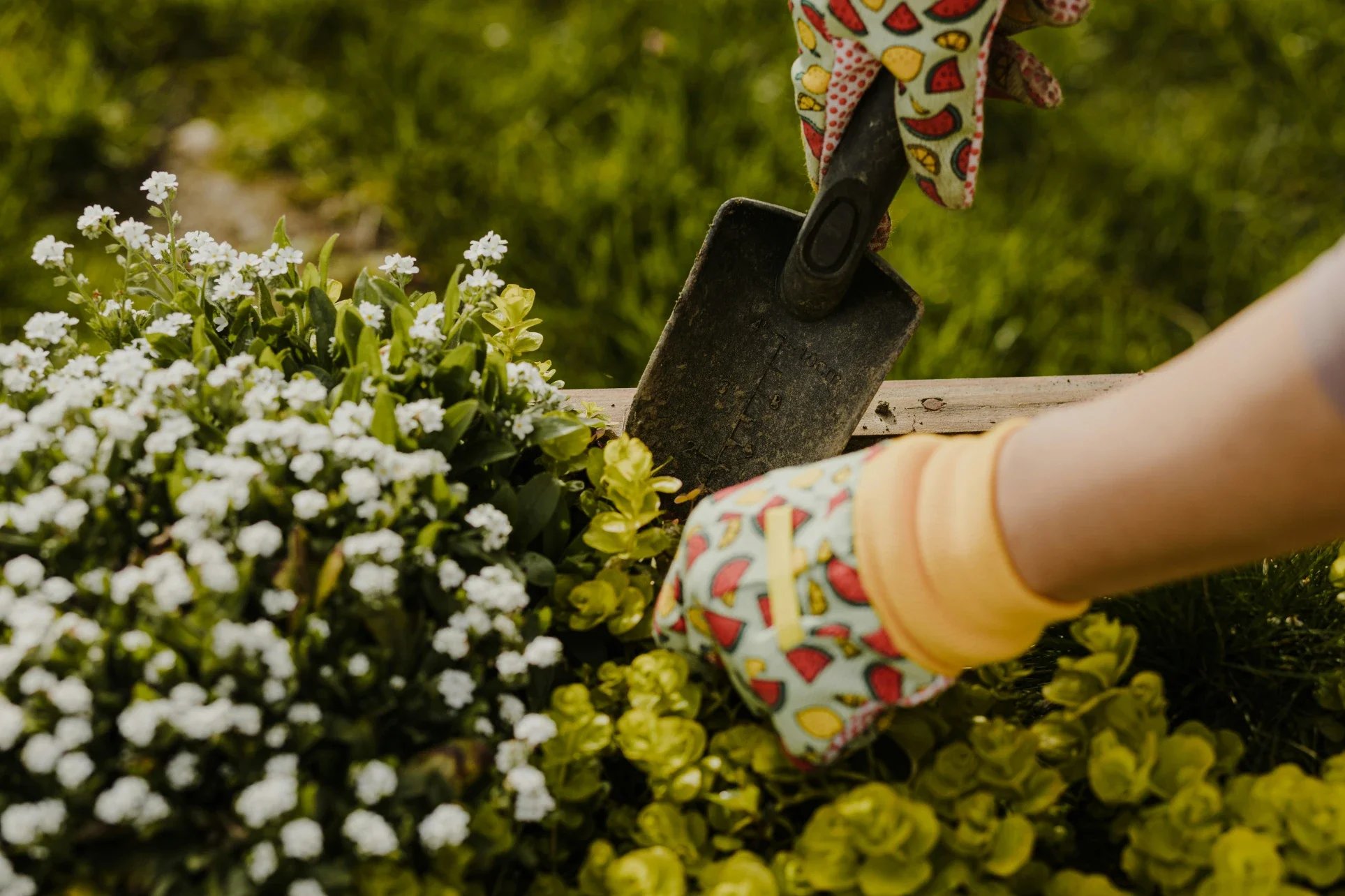
Hands are exposed during nearly every gardening or repair task. Gloves should match the job.
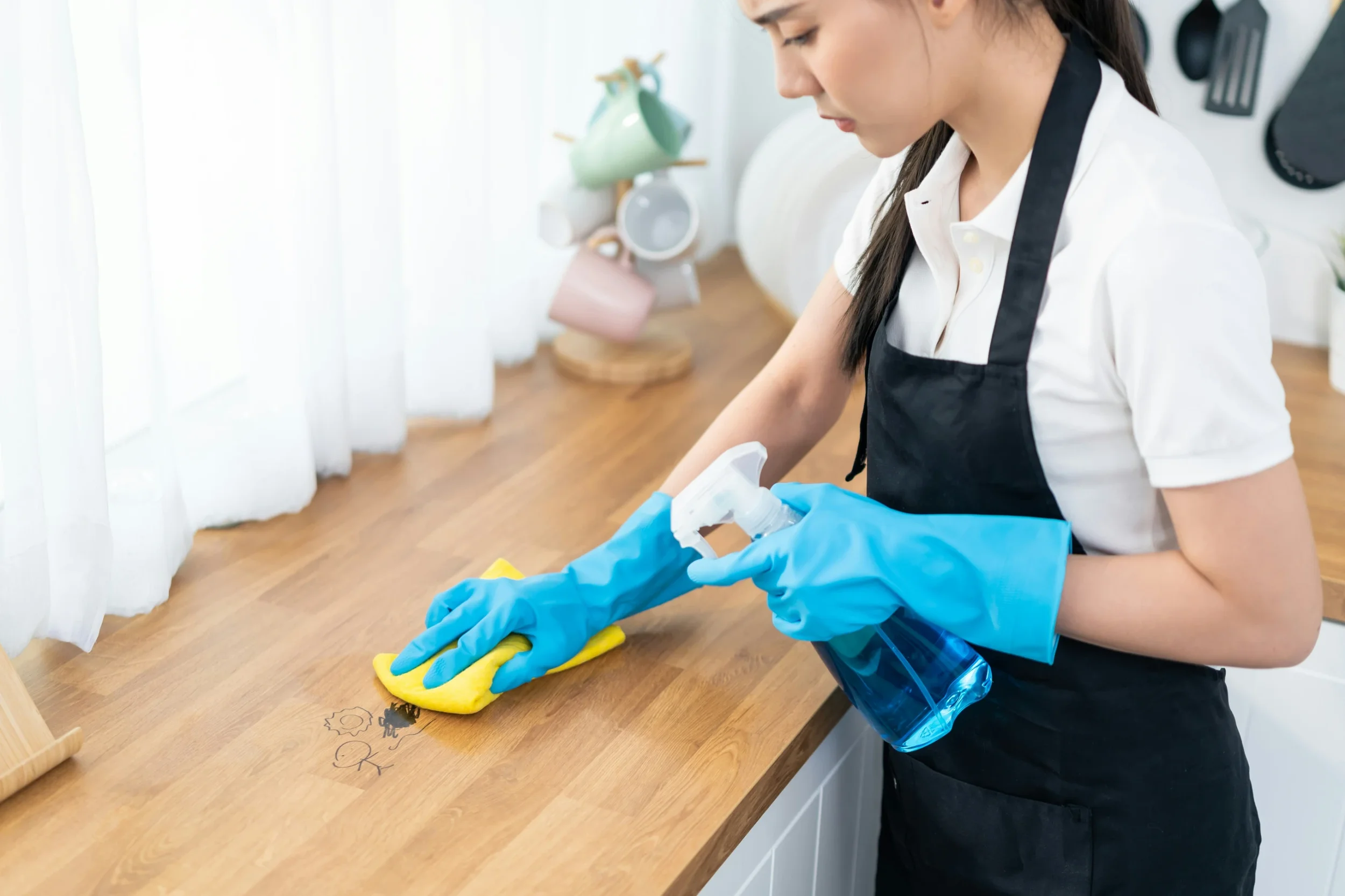
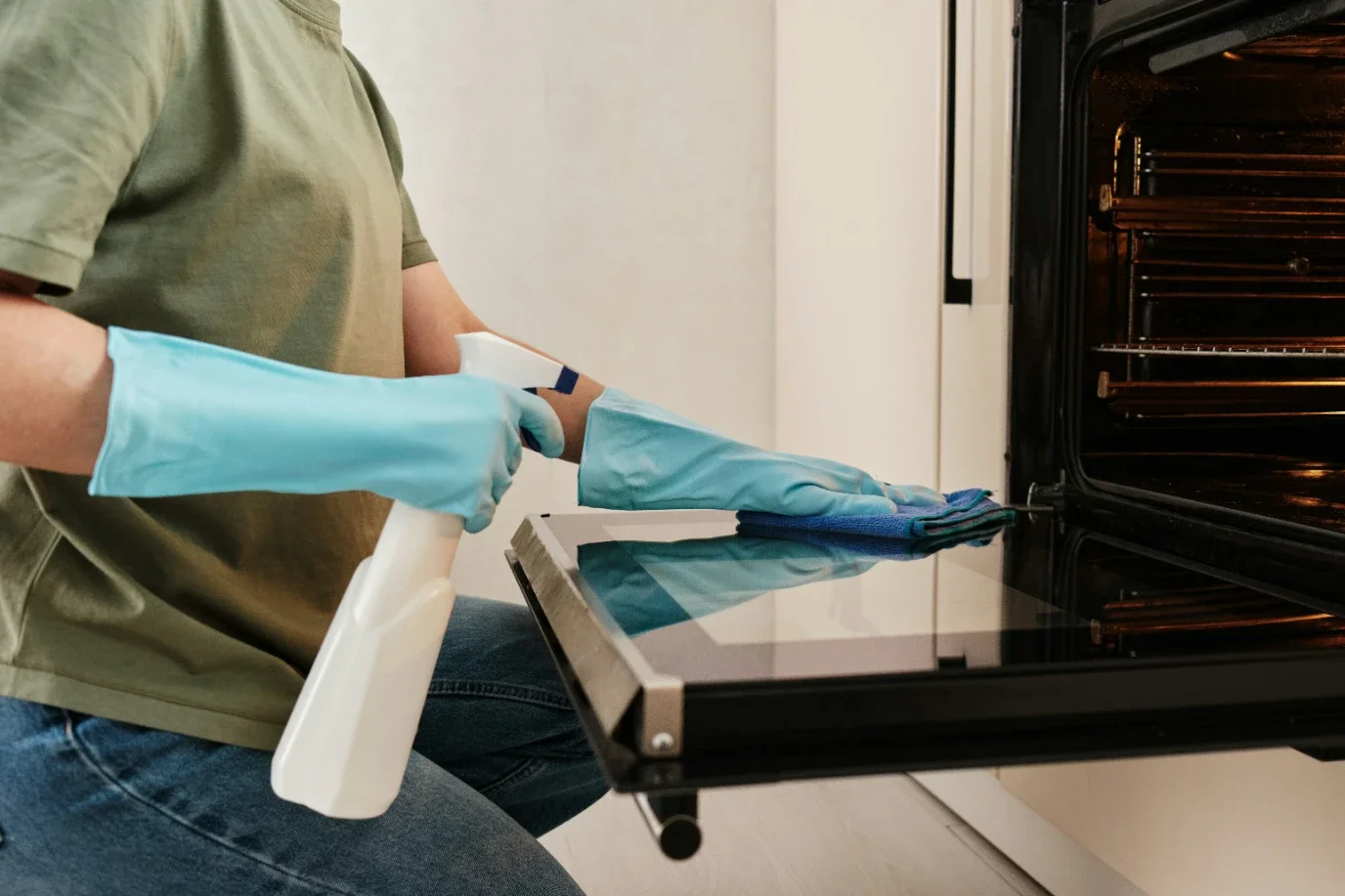
Thin garden gloves work for planting, weeding, and handling dry soil. Rubber-coated gloves are better for wet soil, mulch, and messy cleanup. Leather gloves offer stronger protection for pruning, hauling wood, handling rough materials, or moving stone.
Glove Types to Keep Nearby
Useful options include:
Lightweight garden gloves
Rubber-coated work gloves
Leather gloves
Cut-resistant gloves
Disposable gloves for paint or chemicals
Waterproof gloves
Grip gloves for tools
Do not use the same gloves for every task. The wrong glove can reduce grip or fail to protect your hands.
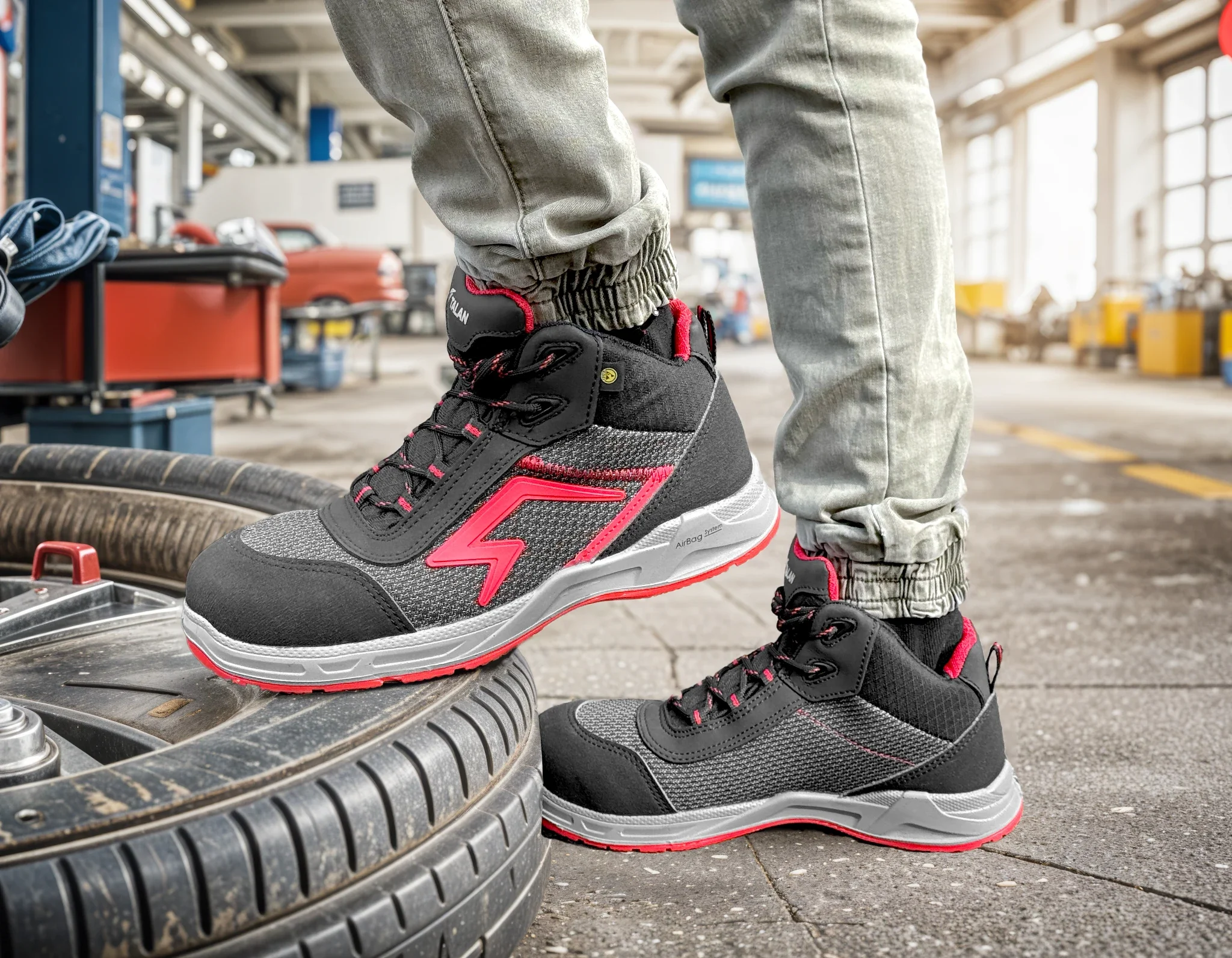
Wear Supportive Shoes
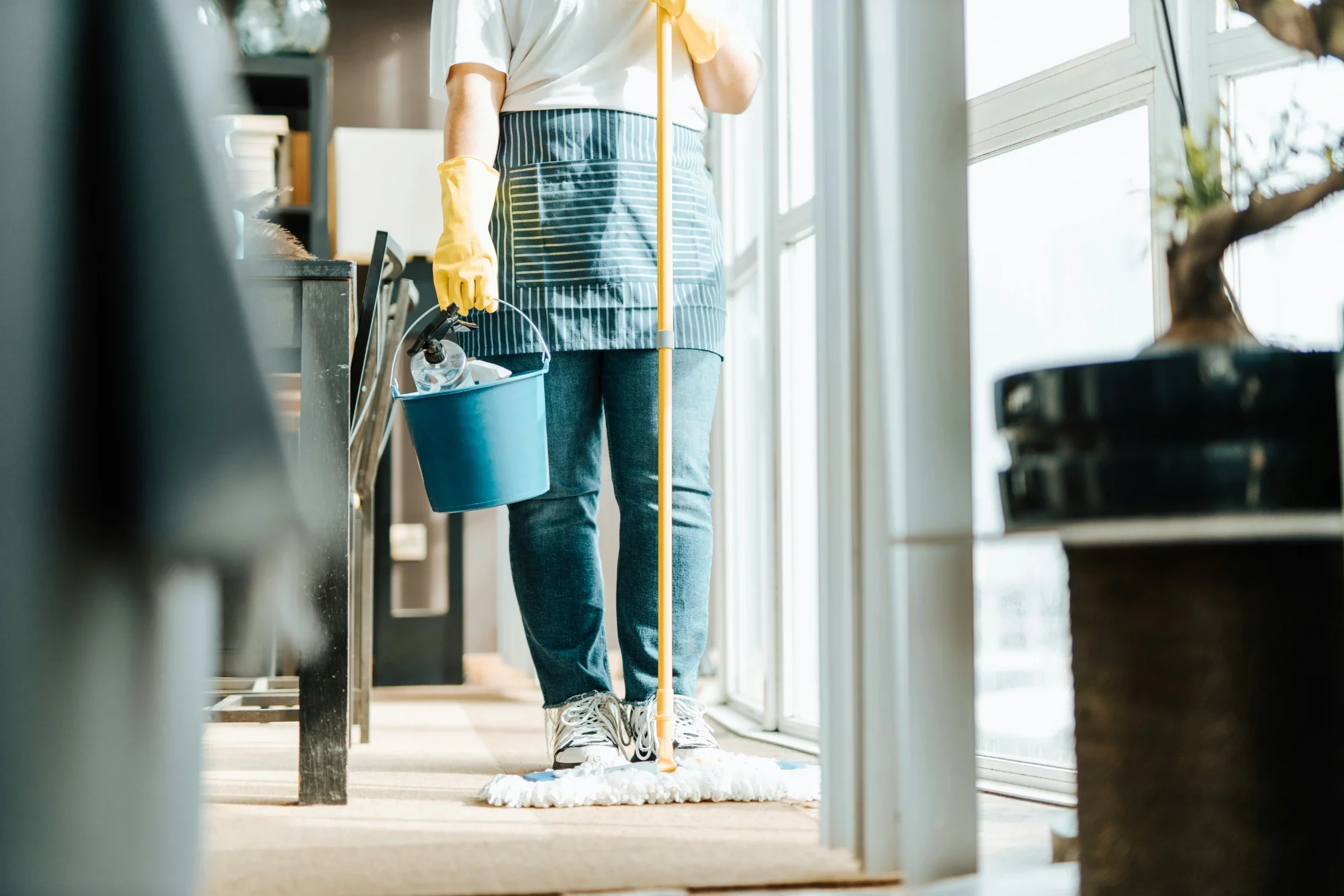
Footwear matters for safety and comfort. Gardening and repairs often involve uneven ground, wet surfaces, ladders, dropped tools, and long periods of standing.
Open-toe shoes are not suitable. Soft casual sneakers may not offer enough grip or protection.
Choose closed-toe shoes with stable soles. For heavier work, use work boots with ankle support. For wet gardening, waterproof boots are useful.
Shoes should have enough traction to prevent slipping on grass, soil, sawdust, or concrete.
If the job involves heavy materials, consider reinforced toe protection.
Add Eye and Face Protection
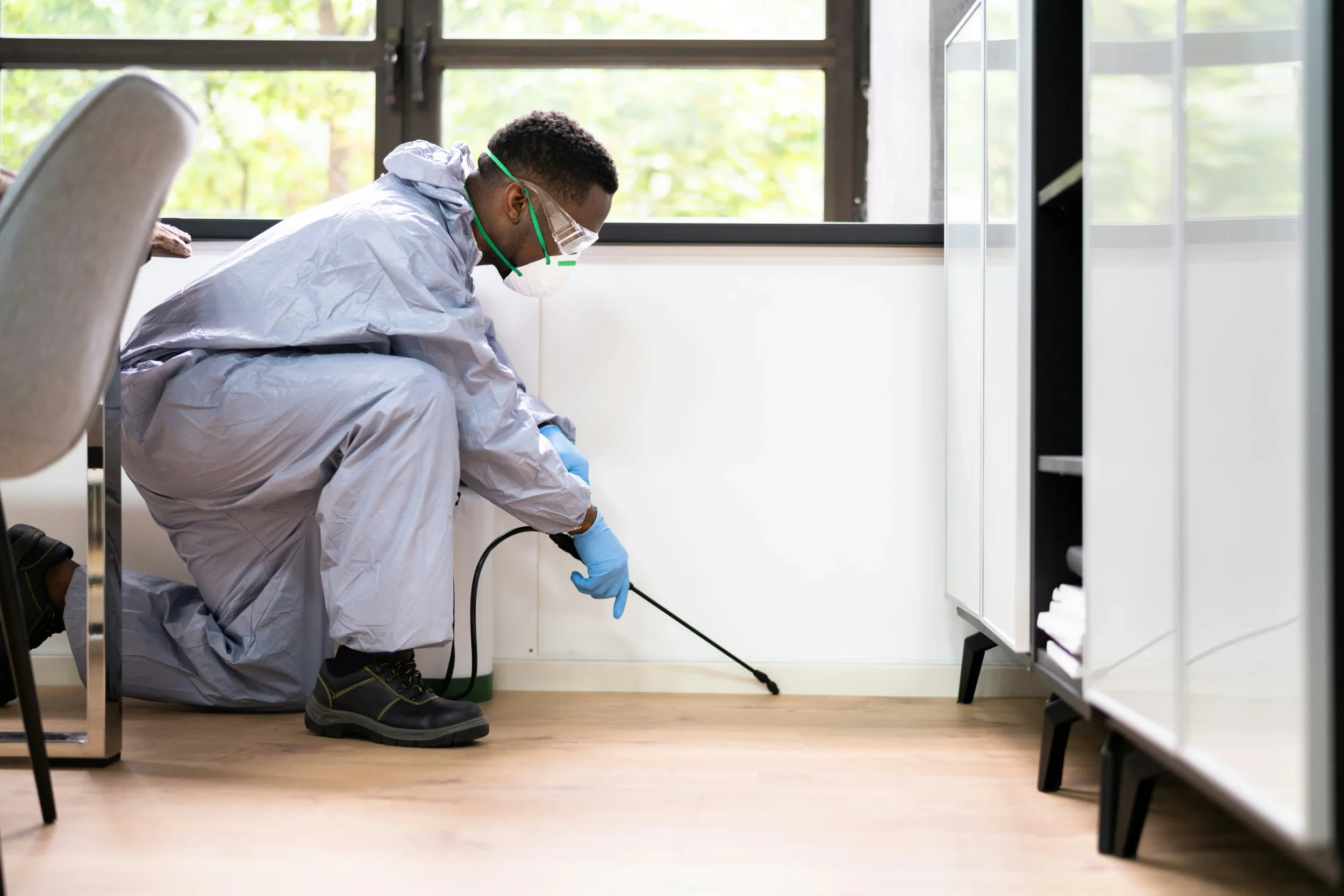
Eye protection is important for many home tasks. Soil, dust, branches, paint chips, sawdust, and small debris can cause injury.
Wear safety glasses when pruning, drilling, sanding, mowing, cutting, mixing chemicals, or working above shoulder height.
A mask or respirator may also be needed for dusty or chemical-heavy tasks.
When to Use Extra Protection
Use added protection for:
Sanding
Drilling
Spraying chemicals
Painting in enclosed areas
Cutting wood
Cleaning moldy surfaces
Handling insulation
Mowing or trimming
Working near branches
Protection should be comfortable enough that you actually keep it on.
Dress for Weather
Outdoor work changes with the weather. Sun, wind, rain, and humidity can affect comfort and safety.
In hot weather, wear light colors, breathable fabrics, sunscreen, and a hat. Take water breaks and avoid the hottest part of the day if possible.
In cool weather, use layers you can remove as your body warms up. Avoid bulky outerwear that limits movement.
In wet conditions, choose waterproof boots and a rain layer. Avoid slippery shoes and heavy fabrics that hold water.
Weather planning helps prevent fatigue and distraction.
Use Pockets and Tool Storage
Small tools disappear quickly during home projects. Clothing with useful pockets can save time.
Look for pockets that can hold gloves, measuring tape, pencils, seed packets, small tools, screws, or a phone.
Do not overload pockets with sharp items.
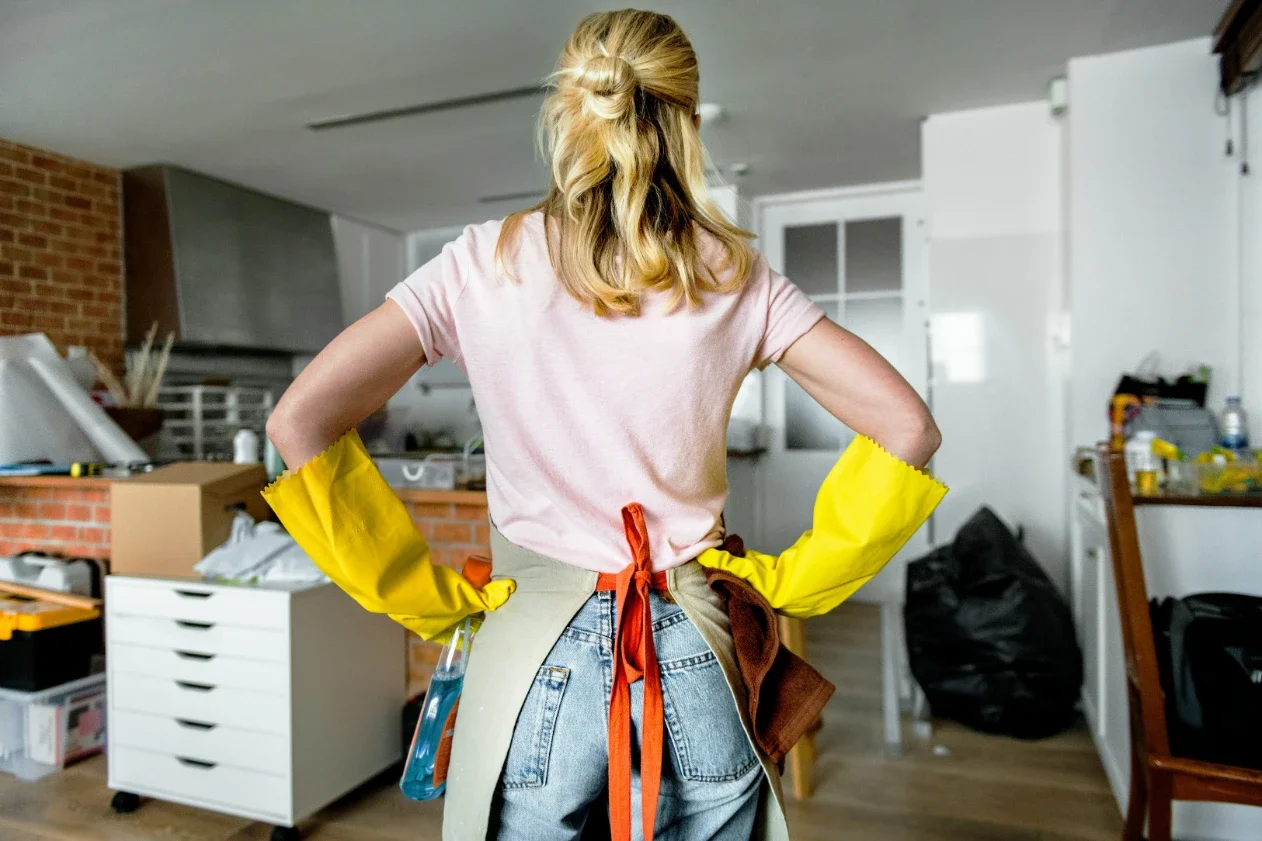
Use a tool belt, apron, or pouch if the task requires repeated access to hardware or tools.
Keeping tools close reduces unnecessary trips and helps the project move faster.
Final Thoughts
The best clothing for gardening and home repairs balances protection, comfort, and movement. Start with the task, then choose durable pants, breathable tops, proper gloves, supportive shoes, and safety gear where needed.
A good work outfit should help you bend, reach, lift, kneel, and move without distraction.
When clothing is chosen for the job, outdoor projects and home repairs become safer, cleaner, and easier to manage.
Stay up to date with our latest ideas!