Common Pest Control Myths That Could Be Damaging Your Home's Beauty and Structure
Discover common pest control myths that could damage your home's beauty and structure, and learn safer, more effective ways to prevent and manage pests.

At GlowyDecor, we spend most of our time helping readers choose the right paint palette, the coziest reading nook, or the perfect entry door for curb appeal. But all that styling effort can be undone quietly, behind the walls, by pests that most homeowners misunderstand. A gorgeous living room means little if the baseboards are hiding termite tunnels or the attic insulation is being shredded for nesting material. Beauty and structure are connected, and pest myths are often the reason homeowners do not notice a problem until it is already expensive.
This is especially true in warm, humid climates like Louisiana, where pest pressure is constant and misinformation spreads just as fast as the bugs themselves. If you have ever repainted a wall only to see stains bleed through weeks later, or replaced trim that seemed to rot overnight, a hidden pest issue may have been the real culprit. Let's walk through the myths that tend to do the most damage, both to your home's structure and to the design work you have invested in.
Myth #1: Clean Homes Don't Get Pests, Why This Belief Puts Your Home at Risk
Many homeowners assume that a spotless kitchen and a tidy garage are enough to keep pests away entirely. It is an understandable belief, since dirty, cluttered spaces are certainly more inviting to roaches and rodents. But cleanliness only removes one attraction among many. Pests are also drawn to warmth, moisture, small entry points around windows and pipes, and the simple fact that your home offers shelter from outdoor predators and weather.
Even immaculate homes can develop serious infestations because pests do not care about your decor, only about access and conditions. A tiny gap around a utility line or a slightly damp crawlspace is enough invitation for ants, termites, or silverfish. This myth is dangerous precisely because it gives homeowners false confidence, leading them to skip inspections and treatments they assume they do not need. In reality, prevention has to include structural checks and moisture control, not just a wiped-down countertop.
Myth #2: Termites Can't Damage Brick or Concrete Homes, The Hidden Structural Threat
This is one of the most persistent and costly myths in home maintenance. Homeowners with brick exteriors or concrete slab foundations often believe they are immune to termite damage, assuming the pests need wood siding to get inside. In truth, brick and concrete are simply the outer shell. Wood framing, roof trusses, door frames, and cabinetry are still very much present behind that exterior, and termites are remarkably skilled at finding tiny cracks in mortar or foundation seams to reach them.
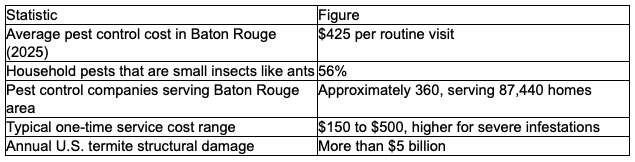
Working with a licensed provider such as LaJaunie's Pest Control gives Baton Rouge homeowners a clearer picture of what is actually happening inside their walls, rather than relying on assumptions based on exterior materials. According to Pest Control Myths That Refuse to Die (and Why They're Wrong) - AAOA, small insects like termites can quietly cause thousands of dollars in structural damage before any visible signs appear, which is exactly why early detection and professional inspection matter so much. Nationally, termites are responsible for more than $5 billion in structural damage every year, a staggering figure that shows just how easily this myth can drain a homeowner's budget and undermine years of renovation work.
If you have recently invested in upgrades like new trim, custom shelving, or even the kind of careful planning discussed in choosing the right replacement windows, protecting that investment from termite damage is just as important as protecting it from drafts or moisture. Window and door frames are common termite targets because they combine wood, warmth, and slight gaps where pests can enter unnoticed.
Myth #3: One-Time Pest Treatment Solves the Problem, Why Ongoing Prevention Matters
Another widespread belief is that a single treatment permanently solves a pest issue, similar to how one deep clean might reset a messy room. Pest control does not work quite that way. Treatments address current activity, but new pests can enter from outside, eggs can hatch weeks later, or seasonal shifts can bring in different species entirely. Ants, for example, make up roughly 56 percent of common household pest issues, and their colonies can rebuild quickly if the underlying attractants are not addressed on an ongoing basis.
This is why most reputable providers recommend routine visits rather than a single appointment. It is also why cost ranges vary so widely, since a one-time service might run between $150 and $500, while a severe infestation can climb into the thousands if it is left unaddressed for too long. Understanding these figures helps homeowners budget realistically instead of assuming one visit will resolve every future concern.
Why Professional Pest Control Protects Your Home's Beauty and Structure
Once these myths are cleared away, the connection between pest control and home aesthetics becomes much easier to see. Water stains, warped trim, and crumbling drywall are often blamed on humidity or age, when pests are quietly contributing to the damage underneath. A home that looks beautifully decorated today can lose that polish quickly if structural issues are left unchecked, since repairs from pest damage are rarely quick or inexpensive.
With around 360 companies serving roughly 87,440 homes in the Baton Rouge area, homeowners have plenty of options, but choosing a provider who understands both prevention and ongoing maintenance makes the biggest difference. Routine inspections catch small problems before they become expensive renovations, preserving both the structural integrity of your home and the design details you have worked so hard to create. In the end, good pest control is not separate from good home design, it is one of the quiet foundations that makes everything else possible.
Stay up to date with our latest ideas!