Costly Mistakes Homeowners Make When Dealing With Earwig Infestations
Discover costly mistakes homeowners make when dealing with earwig infestations and learn practical ways to prevent damage, reduce pests, and avoid wasted effort.

At GlowyDecor, we spend most of our time talking about the beautiful parts of homemaking: the color palettes, the styling hacks, the seasonal refresh projects that make a space feel like you. But every homeowner knows that a truly well-kept house is about more than aesthetics. It is about the systems working underneath the surface, and few things undercut a carefully decorated space faster than discovering a pest problem hiding behind your new baseboards or under the mulch bed you just refreshed. Earwigs are one of those pests that rarely get attention until they are already inside, and by then, many homeowners make decisions that cost them time, money, and peace of mind.
Earwigs are not glamorous to discuss, but they intersect directly with the same maintenance mindset we encourage across our home care content. Keeping a house in good order means paying attention to moisture, entry points, and the small organizational habits that prevent bigger problems. If you have ever wondered why your carefully organized laundry room or basement keeps attracting these insects, the answer usually traces back to a handful of avoidable mistakes rather than bad luck.
Before diving into those mistakes, it helps to understand what you are actually dealing with. Many homeowners assume earwigs are dangerous simply because of their pincer-like appearance, but the truth is more nuanced, and understanding are earwigs harmful to humans can change how urgently and how correctly you respond. Knowing the real risk level helps you avoid both underreacting and overreacting, both of which lead to the costly missteps outlined below.
Mistake #1: Focusing Only on Indoor Treatment While Ignoring Outdoor Nesting Areas
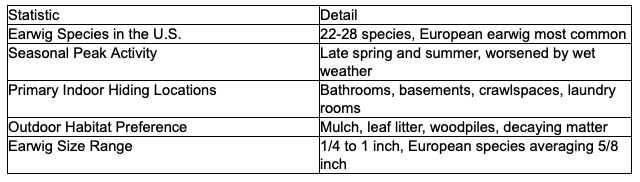
The most common mistake homeowners make is treating earwigs as strictly an indoor problem. They spray along baseboards, set out sticky traps in the bathroom, and feel satisfied when the visible insects disappear for a week or two. Then the earwigs return, often in greater numbers, because the treatment never touched the actual source of the infestation. Earwigs live and breed outdoors in mulch beds, leaf litter, woodpiles, and decaying organic matter, and your house is simply an extension of that habitat when conditions get crowded or dry outside.
The fix is to treat the perimeter of your property with the same seriousness as the interior. This means clearing excess mulch away from foundation walls, thinning out dense ground cover near entry points, and removing woodpiles or plant debris that sit against the house. If you enjoy garden design, this does not mean abandoning your landscaping vision, it just means being intentional about what touches your siding and window wells. A well-organized outdoor space is just as important as an organized closet, and the same maintenance logic applies, as explored in our folder on keeping household systems running smoothly.
Mistake #2: Overlooking Hidden Moisture Problems as the Root Cause
Earwigs are drawn to moisture more than almost anything else, and homeowners who skip this detail often end up fighting the same infestation season after season. Bathrooms, basements, crawlspaces, and laundry rooms are the top indoor hiding locations precisely because these areas tend to hold humidity, condensation, or slow leaks that go unnoticed for months. If you have ever found earwigs clustered near a floor drain or behind a washing machine, moisture was almost certainly the underlying attraction, not just convenient shelter.
Rather than repeatedly treating the symptom, homeowners get far better results by auditing their home for hidden dampness. Check under sinks for slow drips, inspect crawlspace vents for proper airflow, and consider a dehumidifier in basements that stay consistently humid through late spring and summer. This single change often reduces earwig activity more effectively than any spray, because it removes the environmental condition that made your home attractive in the first place. Addressing moisture is a maintenance task, not a pest control task, and it pays dividends well beyond insect prevention by protecting wood, drywall, and flooring from long-term damage.
Mistake #3: Failing to Seal Entry Points and Remove Debris Near Foundations
Another repeated error is assuming that because earwigs are visible pests, they must be entering through obvious gaps like open doors or torn screens. In reality, these insects are flat-bodied and flexible enough to squeeze through hairline cracks in foundations, gaps around utility pipes, and unsealed spaces beneath door thresholds. Homeowners who never inspect these smaller entry points end up re-treating the same rooms indefinitely, because new earwigs keep arriving through the same unaddressed gaps.
A more effective approach involves a slow walk around the exterior of the house with caulk, weatherstripping, and a flashlight in hand. Pay close attention to the areas where siding meets the foundation, where cable or plumbing lines penetrate the wall, and where door sweeps have worn down over time. Clearing leaf litter and stacked debris away from these same areas removes both the hiding spots and the humidity pockets that attract earwigs before they ever find their way inside. This kind of foundational maintenance is unglamorous but genuinely effective, and it tends to solve problems that homeowners have spent years trying to fix with sprays alone.
Mistake #4: Misidentifying Earwigs or Delaying Action on Early Signs of Infestation
Finally, many homeowners either misidentify earwigs entirely or wait too long to act once they notice a few insects indoors. Because there are 22 to 28 earwig species found across the United States, with the European earwig being the most common, it is easy to confuse them with other elongated household insects, leading to the wrong treatment approach entirely. According to European Earwigs, this particular species is found throughout much of the country and is considered one of the most significant household pests because large numbers of them will actively seek shelter inside homes when outdoor conditions push them to do so.
Delaying action compounds the problem, since earwig activity peaks in late spring and summer, and unusually wet seasons can intensify infestations quickly. A few insects spotted in a bathroom during a rainy week can multiply into a much larger population by midsummer if the underlying causes are never addressed. Homeowners who take early sightings seriously, correctly identify the species, and act on moisture and entry point issues right away tend to avoid the frustrating cycle of recurring infestations that plague those who wait.
Avoiding these four mistakes will not eliminate every earwig you encounter, but it will keep a manageable nuisance from becoming a recurring seasonal headache. Treating both the indoor and outdoor environment, solving moisture issues at the source, sealing the small gaps that let insects inside, and responding quickly to early signs are the practical habits that separate homeowners who solve the problem once from those who fight it every single year.
Stay up to date with our latest ideas!