What Pest Control Experts Notice About Your Yard's Summer Vulnerabilities (And How to Fix Them)
Learn what pest control experts notice about summer yard vulnerabilities and how to fix moisture, clutter, plants, and entry points that attract pests.

At GlowyDecor, we spend most of our time thinking about how outdoor spaces look and feel, from the layout of a patio to the color of a freshly mulched bed. But every homeowner who has invested in curb appeal knows that a beautiful yard can turn into a liability the moment pests move in. Grub-damaged turf, ant mounds along a walkway, or a tick problem near the play area can undo months of careful landscaping in a matter of weeks. That is why this season we are stepping outside our usual design lane to look at what pest control professionals actually notice when they walk a property in summer.
Field technicians develop a kind of pattern recognition that most homeowners never get the chance to build. They are not just checking for visible bugs, they are reading the yard itself: moisture patterns, mulch depth, drainage quirks, and the subtle discoloration in turf that signals trouble underneath. Understanding what these professionals look for gives homeowners a head start on protecting the outdoor spaces they have worked hard to build, whether that is a newly renovated garden bed or a lawn that took years to establish.
One of the most consistent observations from the field is that small, early interventions save homeowners real money and stress later in the season. Pros often point new clients toward practical checklists, including 10 tips to pest proof your yard this summer, because the underlying message never changes: prevention is far cheaper than remediation once a pest population has established itself across a property.
What Pest Experts See First: The Hidden Vulnerabilities in Summer Yards
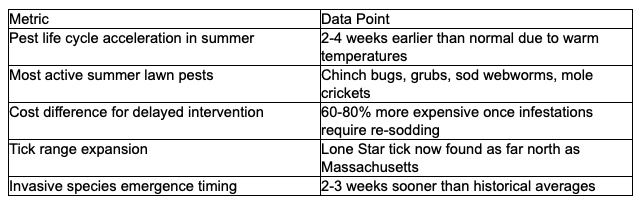
When a technician steps onto a property, the first things they scan are moisture retention zones. Mulch piled too high against a foundation, gutters that dump water near flower beds, and low spots that never quite dry out are all magnets for pests looking for shelter and hydration. These conditions matter more in summer than in any other season because warm temperatures accelerate insect life cycles, sometimes by several weeks compared to a typical year. Anyone experimenting with layered mulch beds or raised planters, ideas often explored in folders, should keep airflow and drainage in mind, since dense, moisture-trapping designs can inadvertently create the exact habitat pests prefer.
Overgrown vegetation along fence lines and unmanaged brush piles are the second thing experienced eyes catch. These areas act as staging grounds for pests before they migrate toward the house, and they are frequently overlooked because they sit at the edge of a property rather than in the main line of sight. Professionals also pay close attention to standing water sources, even small ones like clogged birdbaths or upturned planter saucers, since these can support several generations of pests within a single season if left unaddressed.
Early Warning Signs That Trained Eyes Catch Before Damage Spreads
Discoloration patterns in turf are one of the clearest early indicators professionals rely on. A yellowing patch that does not respond to watering, or a ring of dead grass that expands outward week over week, often signals subsurface pest activity long before the damage becomes obvious to an untrained eye. Sawdust-like frass near wood structures, small mounds of displaced soil, and unusual insect activity near foundation vents are also flagged early, since these details tend to precede more visible infestations by several weeks.
According to Spring & Summer 2026 Pests: 6 Pests and Insects to Watch This Year, warmer temperatures, increased moisture, and longer daylight hours create ideal breeding and foraging conditions for many cold-blooded insects, and the sooner homeowners act on early signals, the better their odds of avoiding a full-blown infestation. This is precisely why professionals train themselves to notice details that seem minor in isolation but add up to a much bigger risk when combined. A single ant trail near a patio door, paired with a soft spot in the lawn and a slightly musty smell near the crawlspace, is enough to prompt a closer inspection.
Common Summer Pests and Their Telltale Damage Patterns
Chinch bugs, grubs, sod webworms, and mole crickets are responsible for the majority of summer lawn damage across most regions, and each leaves a distinct signature. Chinch bugs tend to create irregular brown patches that expand outward from sunny, dry areas of the lawn, while grub damage often shows up as turf that peels back like a loose carpet because the root system has been eaten away underneath. Sod webworms leave ragged, notched blades of grass and small silken tunnels near the thatch layer, and mole crickets create raised, spongy tunnels that homeowners frequently mistake for drainage issues.
Ticks deserve special mention because their range has been expanding faster than many homeowners realize. Mild winters have allowed populations to spread into new regions, with the Lone Star tick now documented as far north as Massachusetts, a shift that surprises many families who assumed tick exposure was limited to more southern climates. This expansion means yard maintenance habits that used to be optional, like keeping grass trimmed short near wooded edges, are now a meaningful part of summer pest prevention almost everywhere.
When to Call a Pro: Red Flags That DIY Methods Won't Fix
Some situations are well suited to homeowner intervention, but others require professional-grade treatment and diagnosis. If a lawn shows widespread thinning that spreads across multiple zones rather than staying localized, or if store-bought treatments produce no visible improvement after several weeks, that is generally a sign the underlying pest population has outgrown what surface-level products can handle. Similarly, if ticks or fleas are being found repeatedly on pets despite regular yard maintenance, it usually means the population has established itself in areas that are difficult for homeowners to treat thoroughly on their own.
Structural signs are another category that should prompt an immediate call rather than a wait-and-see approach. Hollow-sounding wood, small entry holes near the foundation, or consistent insect activity near utility lines suggest the problem has moved beyond the lawn and into the home's structure itself. Professionals are trained to distinguish between cosmetic yard issues and the kind of infestations that threaten long-term property value, and that distinction is exactly what justifies bringing in expert help before a manageable problem becomes an expensive one.
Stay up to date with our latest ideas!