The Ultimate Homeowner's Pest Prevention Checklist: Protect Your Home's Beauty and Comfort
Protect your home's beauty and comfort with this pest prevention checklist, covering cleaning, sealing, moisture control, maintenance, and early warning signs.

At GlowyDecor, we spend a lot of time talking about the details that make a house feel finished, the right paint sheen, the perfectly styled shelf, the mudroom that finally works. But none of that matters much if you're sharing your space with unwanted guests. Pests don't just threaten comfort, they threaten the very structures and finishes we work so hard to curate. A termite trail behind your baseboards or an ant column crossing your kitchen island can undo months of careful design work in a matter of weeks.
This is especially true for homeowners in warmer, coastal climates where pest pressure is nearly year-round rather than seasonal. If you live in Southern California, you already know that pests treat mild winters as an invitation rather than a deterrent. Local experts like Thrasher Pest Control see this firsthand across San Diego neighborhoods, where humidity, landscaping styles, and older housing stock combine to create ideal conditions for infestations. Whether you're protecting a newly renovated bungalow or a decades-old craftsman, pest prevention deserves the same intentionality you'd give to any other home maintenance project.
Think of this checklist as a companion to your regular home care routine, something to run through alongside your seasonal cleaning and organizing tasks. Each checkpoint below targets a different vulnerability, and together they form a layered defense that protects both your home's structure and its aesthetic integrity.
Checkpoint 1: Seal Your Home's Exterior Envelope
Your home's exterior is its first line of defense, and even the smallest gap can become a highway for pests. Start by walking the full perimeter of your house with a flashlight, checking for cracks in the foundation, gaps around utility pipes, and worn weatherstripping on doors and windows. Roof vents and soffits deserve particular attention since they're often overlooked yet provide easy access for rodents and wasps looking for shelter. A few practical steps can make a significant difference here.
1. Inspect foundation walls for hairline cracks and seal them with masonry caulk before they widen. 2. Check where pipes and cables enter the house, filling gaps with steel wool or expanding foam that pests can't chew through. 3. Replace cracked or gapped weatherstripping around exterior doors, especially garage entries. 4. Install fine mesh screens over roof and foundation vents to block entry while preserving airflow. Completing these steps once a season keeps your envelope tight and dramatically reduces the odds of an indoor infestation taking hold.
Checkpoint 2: Eliminate Food and Water Sources
Pests are opportunists, and your kitchen is often the most attractive target in the house. Crumbs left on counters, pet food sitting out overnight, and unsealed pantry items all send an open invitation to ants, roaches, and rodents alike. Moisture is just as important as food, since a slow leak under the sink or a dripping outdoor spigot can sustain a colony for months without anyone noticing. Addressing both fronts at once closes the loop that keeps pests coming back.
Make it a habit to wipe down counters and sweep floors nightly, store dry goods in airtight glass or plastic containers, and take out the trash before it accumulates odors. Fix leaky faucets and check under sinks monthly for hidden moisture, since standing water is one of the biggest hidden attractants in any home. Outdoors, empty birdbaths, plant saucers, and gutters of standing water regularly, particularly after rain. These habits pair naturally with the kind of tidy, functional systems covered in our folder on keeping a home running smoothly, since an organized kitchen is almost always a pest-resistant one.
Checkpoint 3: Manage Your Yard and Landscaping
Your landscaping does more than boost curb appeal, it also acts as a buffer zone between the outdoors and your living space. Overgrown shrubs touching the siding, leaf piles against the foundation, and mulch stacked too high against exterior walls all create ideal harborage for pests looking to move indoors. San Diego's mild coastal climate makes spring an especially active season for ants, with larger and more aggressive colonies than homeowners in colder regions typically encounter, so yard maintenance timing matters more than many people realize.
Trim trees and shrubs so branches stay at least a foot away from your roofline and siding, since overhanging limbs act as bridges for pests. Clear gutters of leaves and debris each season to prevent standing water and wood rot, both of which attract termites and mosquitoes. Keep mulch beds a few inches away from the foundation and avoid piling firewood or debris directly against exterior walls. A well-maintained yard doesn't just look better in photos, it actively reduces the pest pressure on your home's most vulnerable entry points.
Checkpoint 4: Schedule Professional Inspections and Seasonal Monitoring
Even the most diligent homeowner can miss early warning signs that a trained technician would catch immediately. Termite damage, in particular, often goes unnoticed until repair costs climb into the thousands, which is why routine professional inspections are worth the investment. According to Termite Control Southern California | 2026 Swarm Season Guide, pest professionals are seeing early termite swarm activity starting in late February across coastal San Diego and inland Riverside, about two to three weeks ahead of typical timelines, due to early-season moisture from winter rains followed by warm spring temperatures.
Setting a quarterly or bi-annual inspection schedule gives professionals the chance to catch subtle signs like mud tubes, discarded wings, or hollow-sounding wood before they escalate into structural repairs. Rodent activity also spikes seasonally, with roughly 21 million U.S. homes experiencing infestations each winter, and San Diego's 2026 spring season is showing elevated pressure due to a particularly wet winter. Pairing seasonal monitoring with the exterior and yard checkpoints above creates a comprehensive system rather than a reactive scramble after damage appears.
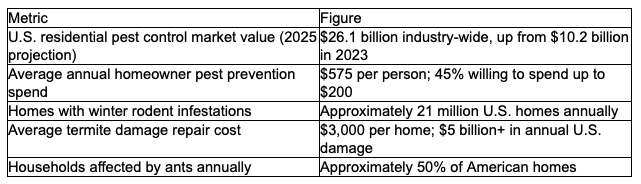
Pest prevention is ultimately a design decision as much as a maintenance one, since no amount of styling can compensate for a home under siege from termites or rodents. By working through these four checkpoints on a regular basis, sealing the exterior, removing food and water sources, managing landscaping, and scheduling professional inspections, you protect both the bones of your house and the beauty you've built into it. A little consistency now saves you from far more disruptive repairs later, letting you focus on the parts of homeownership that are actually enjoyable.
Stay up to date with our latest ideas!