Pest Control Mistakes That Damage Your Home's Interior and Décor
Learn how common pest control mistakes can damage your home's interior and décor, plus safer ways to prevent pests while protecting surfaces and furnishings.

At GlowyDecor, we spend most of our time talking about paint palettes, statement furniture, and the small styling choices that make a house feel like home. But there is a less glamorous side to home care that directly affects everything you have worked to decorate: pests. A termite trail behind a freshly painted baseboard or a rodent nest inside insulation under your hardwood floors can undo months of careful design work in a matter of weeks. Readers who care about curated interiors should care just as much about what is happening behind the walls.
Pest damage rarely announces itself with drama. It shows up as a soft spot in drywall, a musty smell near a window seat, or tiny holes in the trim you just refinished. By the time most homeowners notice, the problem has already been growing for a while, and the fixes needed go well beyond a fresh coat of paint. Understanding the mistakes that let pests reach your décor in the first place is the best way to protect the investment you have made in your home's interior.
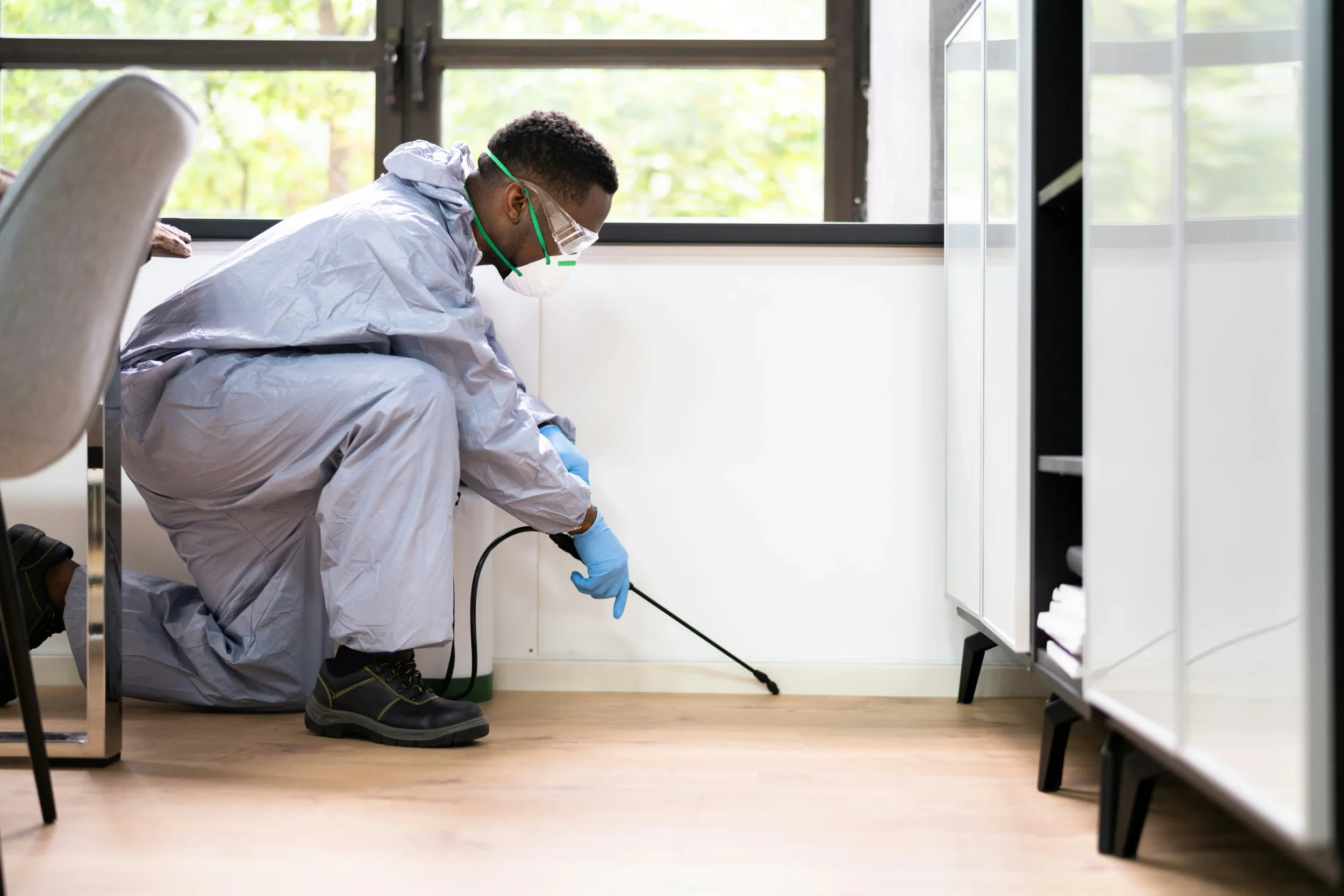
Homeowners in West Michigan face a particular mix of challenges, from humid summers to older housing stock with plenty of hidden gaps. That is one reason working with a local, established Plainwell pest control provider matters so much. Regional expertise means technicians already know which pests are active in the area and how local building styles tend to invite them in, which makes early intervention far more effective than generic advice.
Mistake #1: Relying on Over-the-Counter Products Instead of Professional Treatment
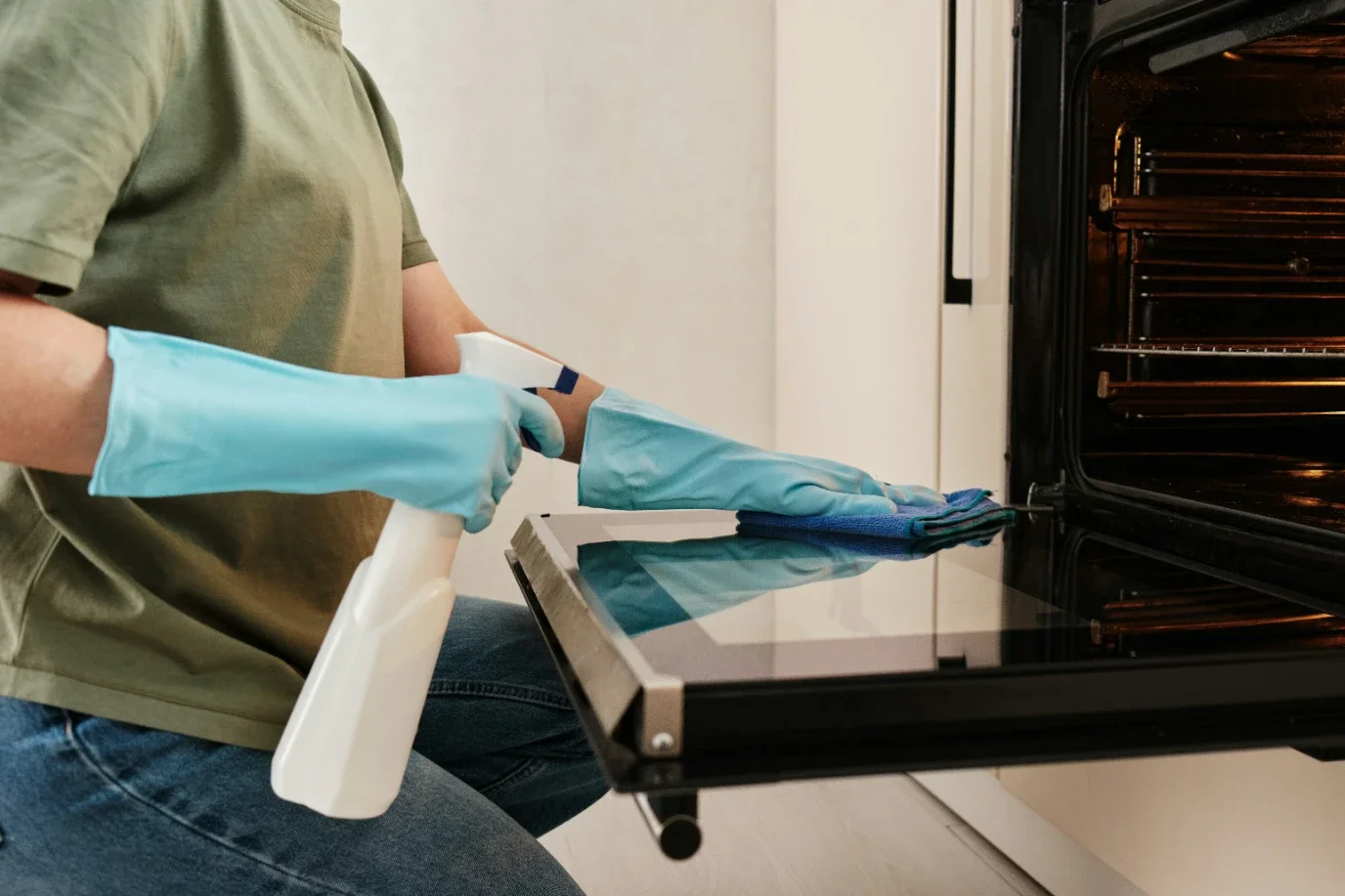
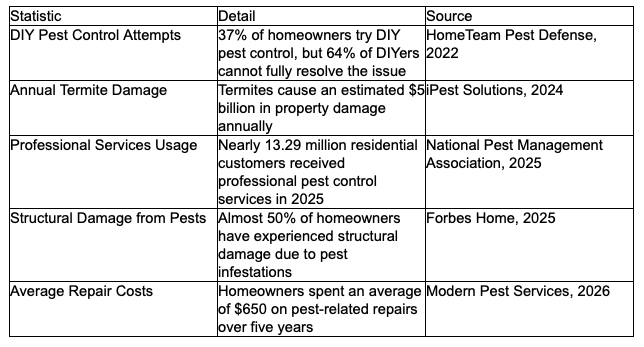
It is tempting to grab a spray bottle from the hardware store the moment you spot ants near the kitchen baseboard or a few carpet beetles near a rug. Over-the-counter products can knock down visible pests temporarily, but they rarely reach the nest, colony, or moisture source driving the infestation. Many homeowners apply these treatments repeatedly, spend money on multiple products, and still watch the problem return within weeks, often worse than before because the pests have simply relocated deeper into walls or flooring.
This mistake becomes expensive fast when the pests in question are wood-destroying insects. Termites and carpenter ants do not respond to consumer sprays the way a surface-dwelling ant colony might, and treating only what you can see leaves the structural damage to continue unchecked. A professional inspection identifies the species, the extent of the infestation, and the safest treatment method, which protects both the structure and the finishes you have invested in, from wood trim to upholstered furniture near baseboards.
Mistake #2: Ignoring Early Warning Signs and Delaying Professional Help
Small signs get dismissed constantly: a single dead beetle on a windowsill, a faint scratching sound at night, a few pinholes in a wooden cabinet. Homeowners tell themselves it is an isolated incident, and by the time a second or third sign appears, the infestation has often established itself in multiple areas of the home. Waiting to call for help is one of the most common and most costly mistakes people make with pest issues.
According to Top Pest Control Mistakes Homeowners Make and How to Avoid Them, when pests are allowed to thrive undisturbed, they multiply rapidly, making the infestation harder and more expensive to control, which is why early detection and professional intervention are critical to protecting both your home's structure and interior décor. This is especially true for pests that target wood, fabric, or paper, since damage to trim, flooring, and furnishings tends to compound the longer it goes unaddressed. A quick inspection at the first sign of trouble almost always costs less than the repairs required after months of unnoticed activity.
Mistake #3: Failing to Seal Entry Points and Address Moisture Issues
Even after a successful treatment, many homeowners skip the step that actually prevents pests from coming back: sealing entry points and correcting moisture problems. Gaps around utility lines, unsealed vents, cracked foundation seams, and damp crawl spaces are open invitations for insects and rodents. Without addressing these vulnerabilities, a home can face repeat infestations year after year, each one chipping away at drywall, insulation, and finished surfaces.
Moisture in particular deserves attention because it attracts both pests and the structural decay that makes wood easier for them to chew through. A leaking pipe under a bathroom vanity or poor drainage near a foundation wall can quietly create the exact conditions termites and carnivorous fungi thrive in. Fixing these issues alongside pest treatment protects the décor choices you have made indoors, since water damage and pest damage often show up in the same painted walls, wood floors, and cabinetry.
Mistake #4: Neglecting Preventive Measures and Ongoing Maintenance
Treating an active infestation is only half the job. Homeowners who stop there, without scheduling regular inspections or maintaining preventive barriers, often find themselves dealing with a new problem within a year or two. Seasonal changes, landscaping shifts, and even new construction nearby can reintroduce pests to a home that was previously clear. Preventive maintenance is far less disruptive and far less expensive than repeated remediation.
Building pest prevention into your regular home maintenance routine keeps both the structure and the interior in better shape long term, similar to the seasonal upkeep habits covered in our folder on organization and maintenance. Simple habits, like keeping firewood away from exterior walls, trimming vegetation back from siding, and scheduling annual inspections, go a long way toward protecting the finishes and furnishings you have carefully chosen for your home.
The connection between pest control and interior design is easy to overlook until it becomes unavoidable. A cracked baseboard, a stained ceiling from a hidden leak that attracted termites, or a chewed corner on a favorite piece of furniture are the kind of setbacks that no amount of styling can fully hide. Avoiding these common mistakes, from skipping professional treatment to ignoring moisture and entry points, keeps your home's structure sound and your décor looking the way you intended for years to come.
Stay up to date with our latest ideas!