The Hidden Cost of Pest Damage to Your Home: A Budget Reality Check for Homeowners
Understand the hidden cost of pest damage to your home, from repairs and prevention to long-term maintenance, and learn how to budget for unexpected expenses.
At GlowyDecor, we spend a lot of time talking about the beautiful parts of homeownership: the color palettes, the statement lighting, the built-ins that make a room feel finished. But every reader who has ever budgeted for a renovation knows that the less glamorous line items matter just as much. Pest damage sits squarely in that category. It rarely gets its own mood board, yet it can quietly undo the flooring, trim work, and structural bones that every design plan depends on.
Homeowners in older neighborhoods or humid climates tend to learn this lesson the hard way, often after noticing a soft spot in a windowsill or a hollow-sounding baseboard. Working with a licensed provider such as Kilter Termite and Pest Control before damage sets in is usually far cheaper than repairing it afterward, and understanding the real numbers behind pest damage helps put that tradeoff in perspective. This article breaks down what pest damage actually costs, where the money goes during repairs, and how prevention spending compares to the price of waiting too long.
The Hidden Costs: Beyond Treatment, What Pest Damage Really Costs Your Home
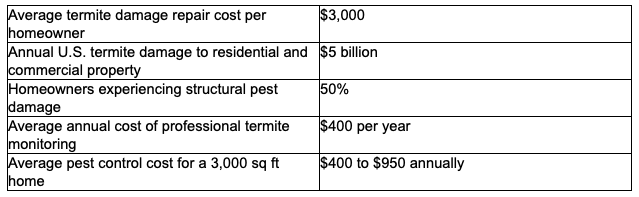
Most homeowners think of pest control as a single line item: the cost of a treatment visit. In reality, that's only the visible tip of a much larger expense. Termites alone cause an estimated $5 billion in damage to residential and commercial property across the country every year, and the average homeowner who experiences termite damage ends up paying around $3,000 in repairs. That figure covers wood replacement, structural reinforcement, and sometimes flooring or drywall that had to come out to access the damaged framing underneath.
What makes these costs sneak up on people is the timeline. Termites and other structural pests work slowly and quietly, often for years, before symptoms become visible enough to notice. By the time a homeowner spots the warning signs, the damage has usually spread beyond a single beam or joist. Roughly half of all homeowners report experiencing some form of structural pest damage at one point during ownership, which means this isn't a rare misfortune reserved for a few unlucky houses. It's a mainstream budgeting risk that deserves the same attention as roof age or HVAC lifespan.
Cosmetic vs. Structural: Where Your Repair Budget Goes
Not all pest damage hits the wallet equally. Cosmetic damage, things like surface staining, small chew marks on trim, or minor drywall pitting, is usually an easy fix that a handyman or a weekend DIY project can handle for well under a few hundred dollars. Structural damage is an entirely different category. It involves the load-bearing elements of a house: floor joists, wall studs, sill plates, and support beams. Repairing those often requires a contractor, temporary shoring, and sometimes permits, which pushes costs into the thousands quickly.
This is part of why pest damage deserves the same planning attention as other structural home investments. Homeowners who are already budgeting for upgrades like choosing the right replacement windows should factor pest history into that same conversation, since compromised framing around window and door openings can complicate an otherwise straightforward installation. A contractor who finds termite damage mid-project will almost always pause work, which adds delays and unplanned costs on top of the original estimate.
Prevention as Investment: Why Early Action Saves Thousands
When you line up the numbers, prevention starts to look less like an expense and more like insurance with a clear return. Professional termite monitoring typically runs about $400 per year, and a full pest control program for a 3,000 square foot home generally falls between $400 and $950 annually depending on the level of coverage and regional pest pressure. Compare that to the average $3,000 repair bill for termite damage alone, and the math becomes straightforward: a decade of monitoring can cost less than a single repair job triggered by neglect.
According to Homeadvisor, professional pest control specialists have the tools, training, and products to effectively eliminate pests and prevent them from returning, while DIY sprays may offer short-term relief but a professional can spot hidden nests and help homeowners avoid costly repairs down the road. That distinction matters most with termites and other structural pests, since store-bought treatments rarely reach the colonies causing the real damage. Annual inspections also create a paper trail that can matter for resale, since many buyers and lenders want documentation that a home has been monitored consistently.
Smart Spending: Where to Prioritize and Where You Can Economize
Budgeting for pest management doesn't mean spending freely on every product or service that promises protection. It means directing money toward the areas with the highest risk and the highest cost if ignored. Termite monitoring and structural inspections deserve priority spending because the downside of skipping them is measured in thousands of dollars, not hundreds. Seasonal treatments for surface pests like ants or spiders, on the other hand, are often an area where a homeowner can economize by choosing less frequent service or handling minor issues independently.
The homeowners who come out ahead financially are usually the ones who treat pest prevention as part of routine home maintenance rather than an emergency response. They schedule inspections on a calendar the same way they schedule gutter cleaning or HVAC servicing, and they view the annual cost as a fixed line item rather than an optional extra. Over a decade of homeownership, that steady approach almost always costs less than the alternative of waiting for visible damage and then scrambling to fund emergency repairs on a tighter timeline and with fewer contractor options.
Stay up to date with our latest ideas!