When Selling Your Home Makes More Sense Than Redecorating
Discover when selling your home makes more sense than redecorating by weighing renovation costs, market conditions, and long term financial goals.

Redecorating can make a home feel fresh, but it cannot solve every problem. New paint, furniture, lighting, and finishes may improve how a room looks, yet the home may still be too small, too expensive, too hard to maintain, or poorly matched to your daily life.
Before spending money on decor, homeowners should decide whether the issue is cosmetic or structural. Cosmetic problems can often be fixed. Lifestyle, location, layout, cost, and repair problems may point toward a bigger decision.
The goal is not to avoid improvement. The goal is to invest in the right solution.
Start With the Real Problem
A home can feel frustrating for many reasons. It may look outdated, but the deeper issue may be lack of storage, poor traffic flow, too many stairs, high utility costs, or a commute that no longer works.
Write down what bothers you most.
If the list is mostly paint colors, old fixtures, worn rugs, or mismatched furniture, redecorating may help.
If the list includes space, safety, repairs, location, cost, or lifestyle changes, selling may need to be considered.
A clear diagnosis prevents expensive decorating that only hides the problem for a few months.
Know When Cosmetic Updates Are Enough
Cosmetic updates work when the home’s basic structure still supports your life. These projects can change the mood of a room without major construction.
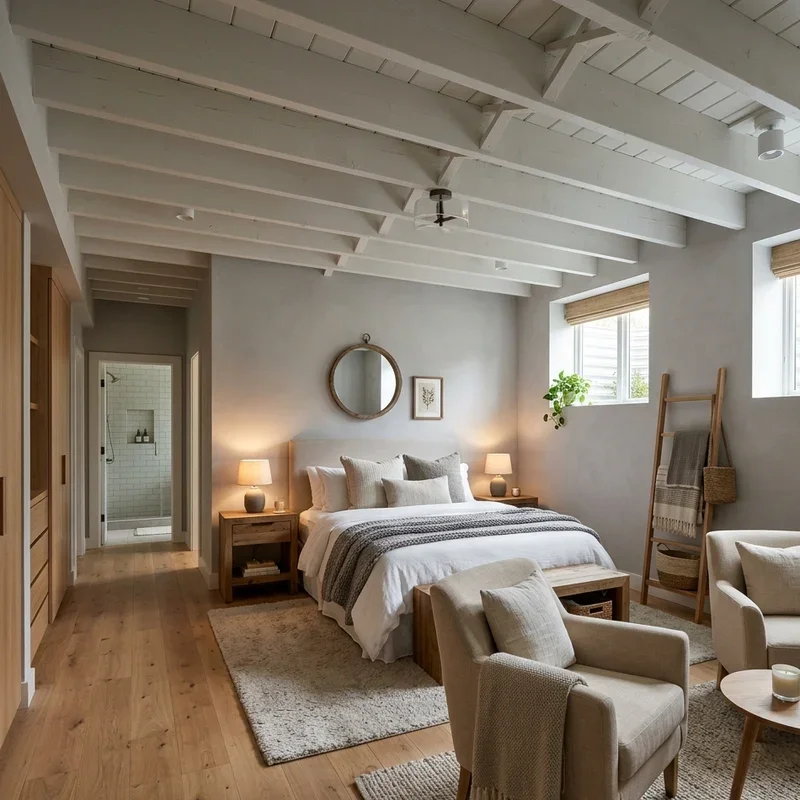
Paint, curtains, rugs, lighting, hardware, furniture layout, and wall art can make a meaningful difference.
Cosmetic updates are best when the rooms function well but feel dated.
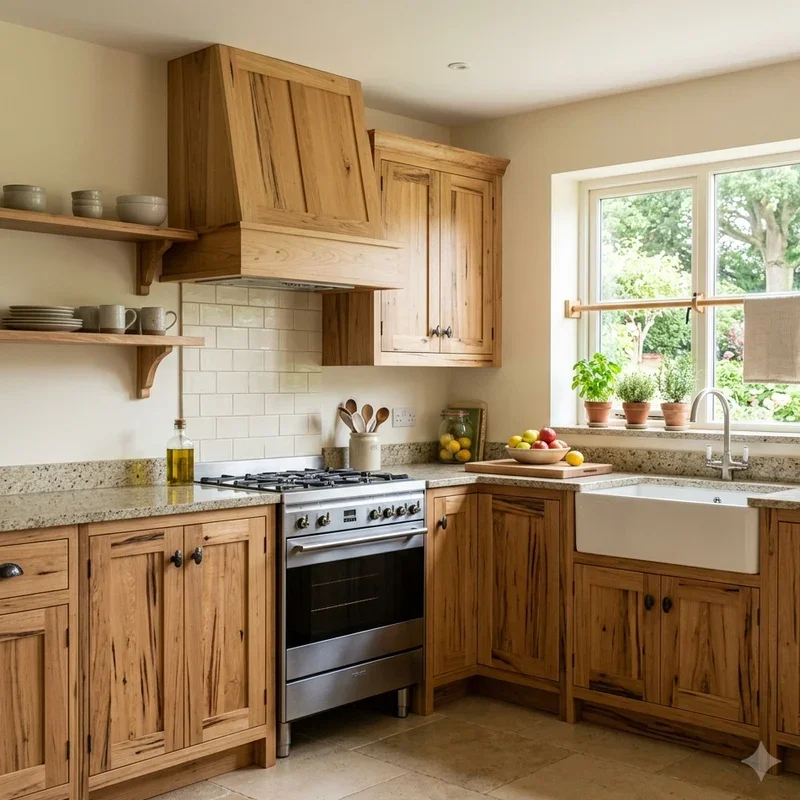
If the kitchen layout works, cabinet painting may be enough. If the bedroom has good storage but feels plain, better lighting and textiles may solve the issue.
Do not sell a home only because it needs visual refreshment.
Watch for Layout Problems
Layout issues are harder to fix than decor problems. A home may have rooms that are too narrow, poor natural light, awkward door swings, limited bathroom access, or a kitchen cut off from the main living area.
These problems affect daily use.
If every solution requires removing walls, relocating plumbing, adding rooms, or changing structural elements, the cost can rise quickly.
For homeowners dealing with a property that no longer works, researching options such as how to sell my house fast New Haven may be part of comparing whether selling is more practical than renovating.
The right decision depends on home value, repair cost, timeline, and the next living situation.
Compare Redecorating Costs to Moving Costs
Redecorating feels cheaper than selling, but costs can add up. Furniture, paint, window treatments, flooring, lighting, labor, storage, and design help may become expensive.
Create a side-by-side budget.
One column should include the cost of redecorating or renovating. The other should include selling costs, moving costs, temporary housing if needed, closing costs, and the estimated cost of the next home.
This gives a more realistic comparison.
Avoid making the decision based only on emotion or one project estimate.
Consider Repairs Beneath the Surface
Decor cannot fix moisture problems, roof failure, outdated wiring, plumbing issues, foundation movement, mold, pest damage, or failing HVAC systems.
If the home has major repair needs, redecorating may waste money.
A beautiful room can still be at risk if the structure behind it is damaged.
Warning Signs to Review
Look closely at:
Roof leaks
Repeated plumbing problems
Foundation cracks
Electrical issues
Mold or musty odors
Water stains
Pest damage
HVAC failure
Rotten exterior trim
Drainage problems
These issues should be evaluated before any cosmetic spending.
Think About Lifestyle Changes
A home that worked five years ago may not work now. Families grow. Children leave home. Remote work changes space needs. Health issues make stairs harder. Aging parents may move in. Commutes may become less practical.
Decor can improve comfort, but it cannot always adapt a home to a new life stage.
If the home no longer supports daily routines, a move may be more effective than another redesign.
Ask whether the home fits the next three to five years, not just the current month.
Review Maintenance Pressure
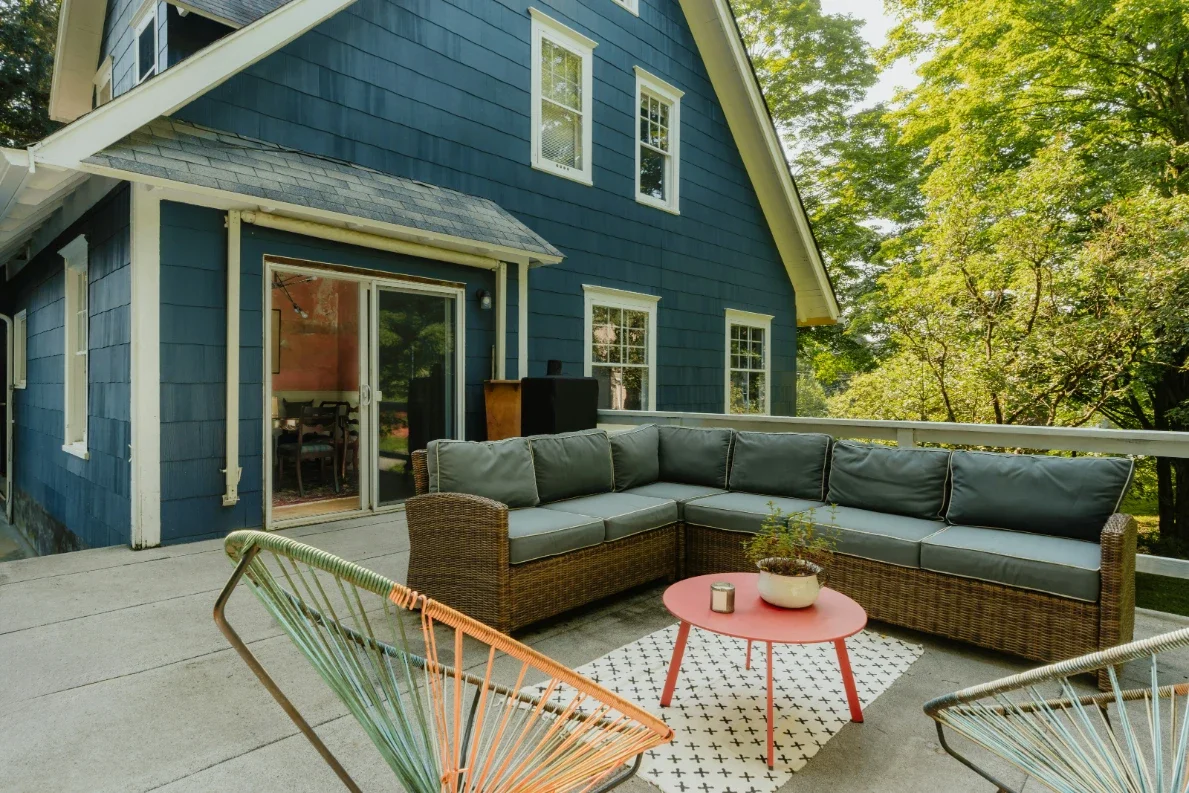
Some homes require constant upkeep. Large yards, older systems, long driveways, extra rooms, pools, decks, and aging materials all take time and money.
If maintenance feels endless, redecorating may only make the home look better while the workload stays the same.
A simpler home may create more relief than a prettier version of the same demanding property.
This is especially true when maintenance takes time away from work, family, rest, or health.
Prepare the Home If Selling Makes Sense
If selling is the better option, focus on presentation rather than deep personal decorating. Buyers need to understand the home quickly.
Clean surfaces, repair obvious damage, improve lighting, reduce clutter, and make the entry feel clear.
A visible real estate yard sign can also support local awareness when a property is actively being marketed.
At this stage, the goal is not to decorate for your personal taste. The goal is to help buyers see the home’s layout, condition, and potential.
Use Small Updates Strategically
Even if you decide to sell, some small updates may still help. Choose improvements that are low-cost, visible, and broad in appeal.
Smart Pre-Sale Updates
Consider:
Fresh neutral paint
Replacing broken hardware
Deep cleaning
Lawn cleanup
Better light bulbs
Minor drywall repairs
Decluttering storage areas
Cleaning windows
Removing damaged rugs
Avoid highly personal upgrades that may not appeal to buyers.
Final Thoughts
Redecorating is useful when the problem is cosmetic. Selling may make more sense when the home has layout issues, major repairs, high maintenance demands, location problems, or no longer supports daily life.
Before spending money, identify the real source of frustration.
A few updates can refresh a home that still works. But when the home itself no longer fits, selling may be the more practical path forward.
Stay up to date with our latest ideas!